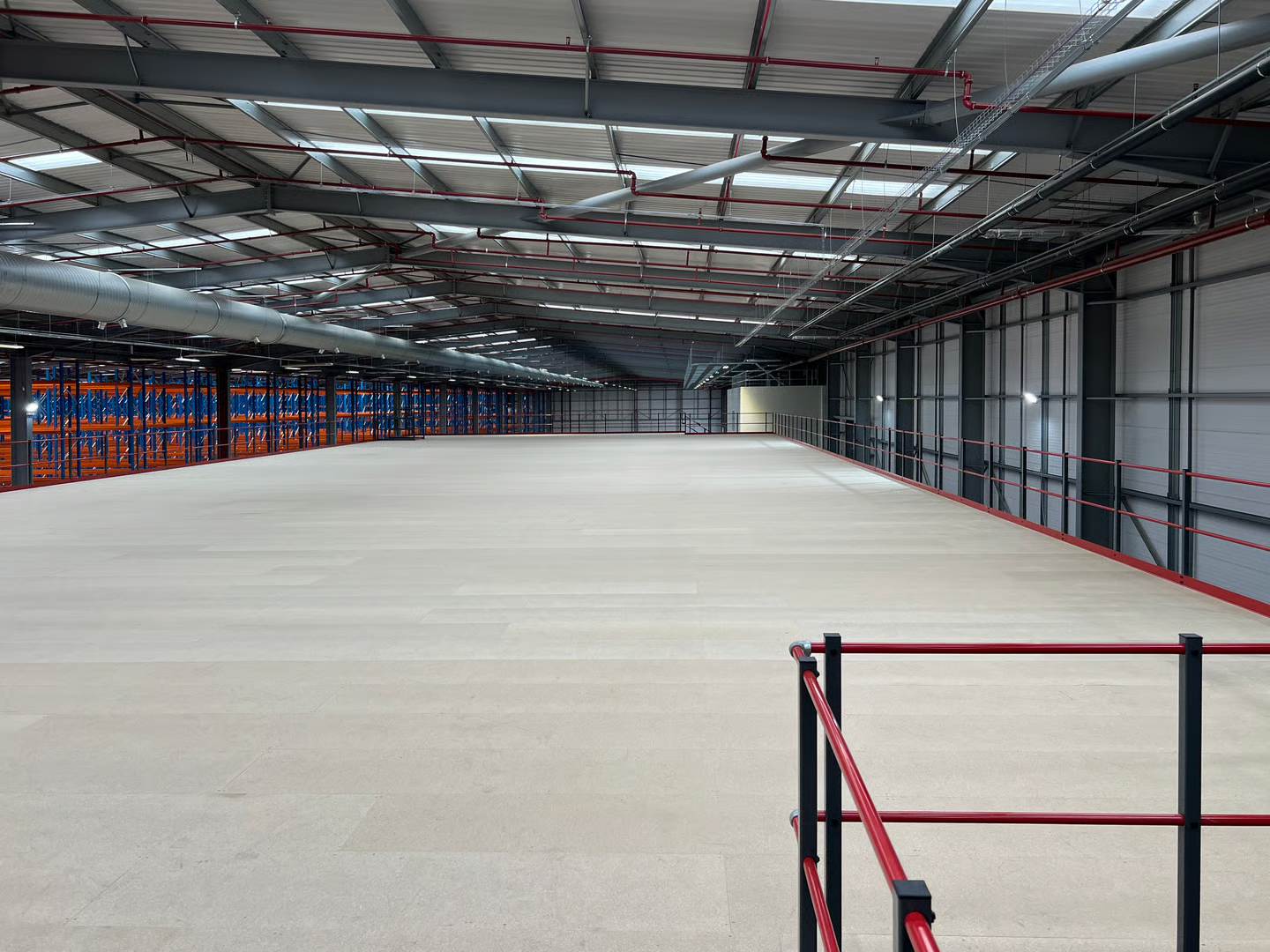
Your warehouse is full, relocating looks expensive, and your operations team has come back with a quote for a mezzanine. Before the spend is signed off, there is usually one more question from the finance side: can we claim it against tax?
The honest answer is that it depends on what the mezzanine is for. A platform used purely to store goods can qualify as plant and machinery, which in 2026 means a limited company may be able to deduct the full cost from its profits in the year it is installed. A mezzanine that works as a floor, with offices or people working on it all day, usually will not qualify in the same way.
This guide explains how HMRC draws that line, what a successful claim could be worth, and what to have ready for your accountant. If you are still at the stage of working out what kind of structure you need, our warehouse mezzanine floors page covers the options.
One important note before we start: we design and install mezzanine floors, we are not tax advisers. Everything here is general information to help you have a better conversation with your accountant, who should confirm the position for your business before you rely on it.
Why HMRC Starts From “No”
Capital allowances let a business deduct the cost of qualifying assets from its taxable profits. The most generous allowances are reserved for plant and machinery: the equipment a business uses to carry on its trade, such as machinery, racking and vehicles.
Buildings are treated very differently. The legislation lists items that can never be plant because they form part of a building, and floors are on that list. HMRC’s own manual instructs its staff to refuse claims on raised and mezzanine floors, because in its view a mezzanine floor is still a floor, whether or not it is bolted to the building.
That is why many businesses, and some accountants, assume a mezzanine is simply part of the property and move on. For a lot of warehouse mezzanines, that assumption leaves money on the table.
The Exception: When a Mezzanine Is Storage Equipment
The key cases are Hunt v Henry Quick Ltd and King v Bridisco Ltd. Both companies had installed mezzanine platforms in warehouses to store goods, and both claimed them as plant. The Commissioners agreed with the companies, finding that the platforms were movable, temporary structures used for storage that had not become part of the premises.
HMRC accepts that this kind of expenditure can fall under “storage equipment”, which the legislation allows as plant. But its guidance is clear that a mezzanine is either a floor or a large shelf, and rarely both. That makes the claim all or nothing: if the platform is storage equipment, the whole structure can qualify; if it functions as a floor, none of it does as plant.
So the question your accountant needs to answer is not “is this a mezzanine?” but “is this mezzanine behaving like a shelf or like a floor?” The way it is designed and used is what decides it, which is why it is worth thinking about at the design stage rather than after installation. A purpose-built storage mezzanine floor is the natural starting point for a strong claim.
Signs Your Mezzanine Looks Like Storage Equipment
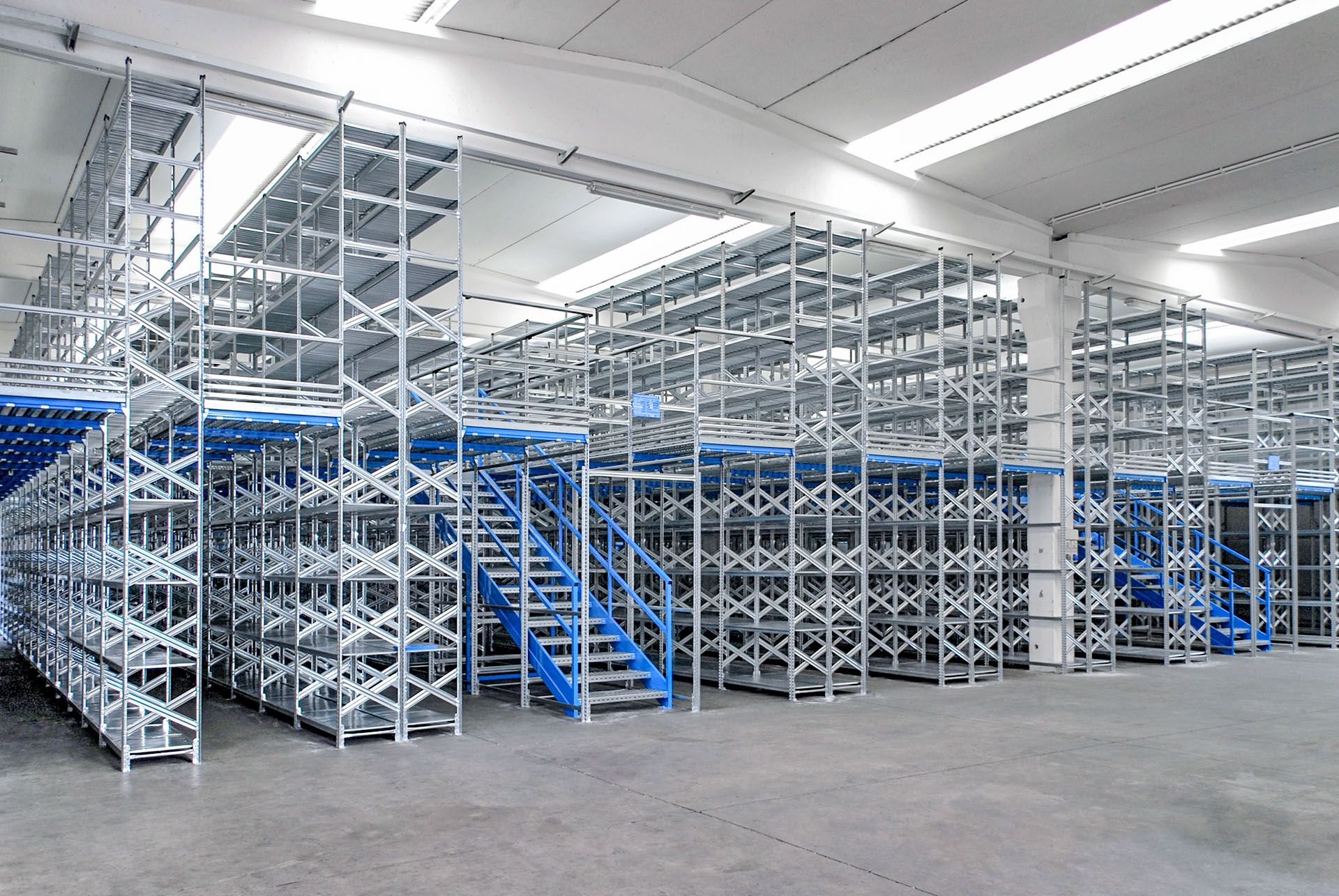
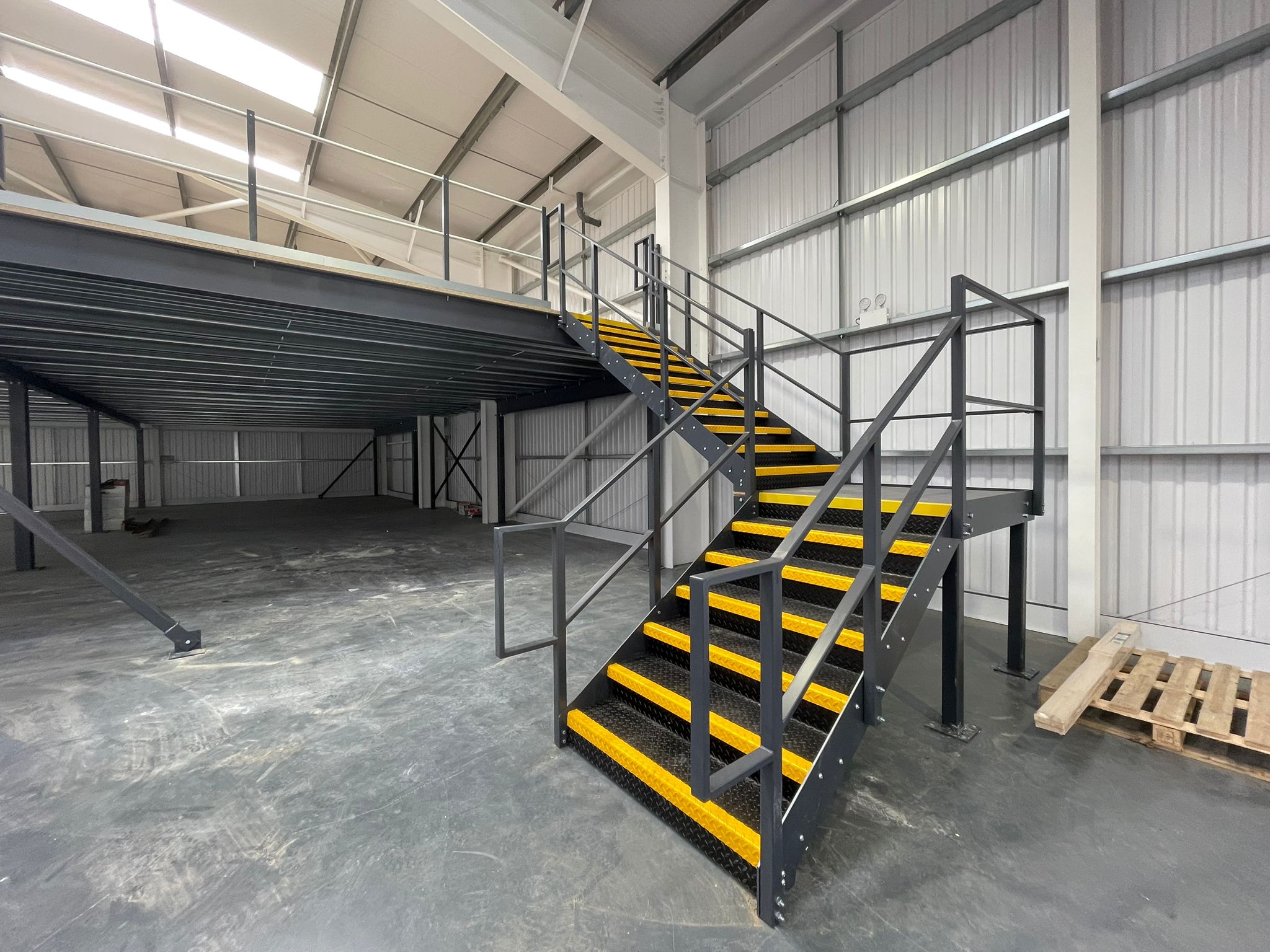
The strongest cases tend to share a few features. The upper deck is used only to hold stock, with people going up to put goods away and pick them, not to work there. The structure is freestanding or rack-supported, bolted together from steel sections, and could be dismantled and re-erected elsewhere. It is sized and specified around the stock it holds, such as a shelving layout or a defined pallet zone.
Rack-supported structures can make a particularly clear case, because the racking itself carries the deck. Our guide to rack-supported vs freestanding mezzanines explains the practical differences, and if you are planning to hold palletised goods up there, read our advice on pallet storage on a mezzanine floor first.
It also helps if the business case is about storage. A mezzanine installed to increase capacity, backed by figures like those in our guide on how to calculate warehouse storage capacity, supports the argument that it is equipment for the trade rather than extra floor space.
Signs It Will Be Treated as a Floor
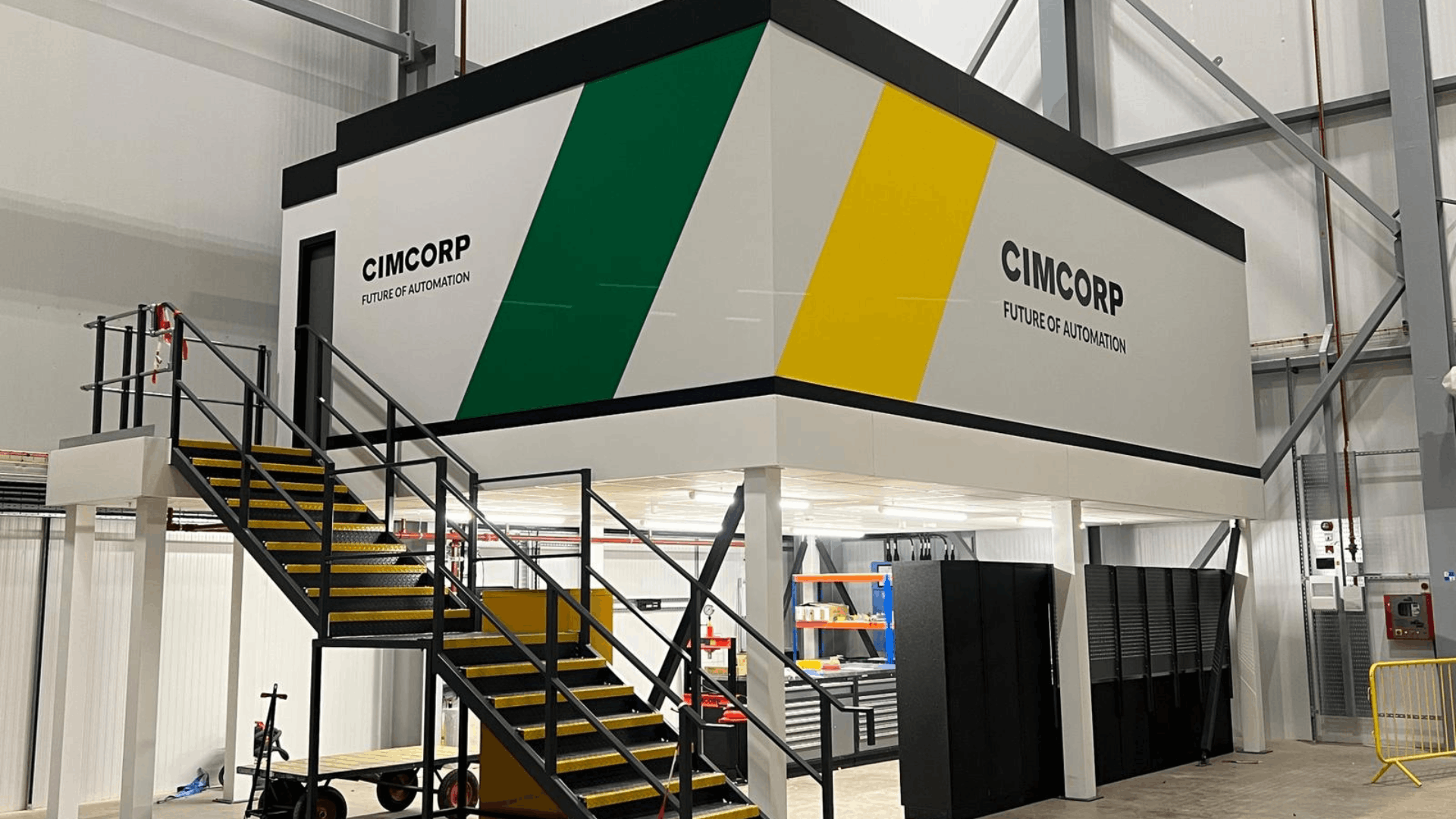
The picture changes once people work on the deck. Offices, meeting rooms, canteens, welfare areas and production lines all point towards a floor. So does a structure built into the fabric of the building, or one so permanent that removing it would mean significant building work.
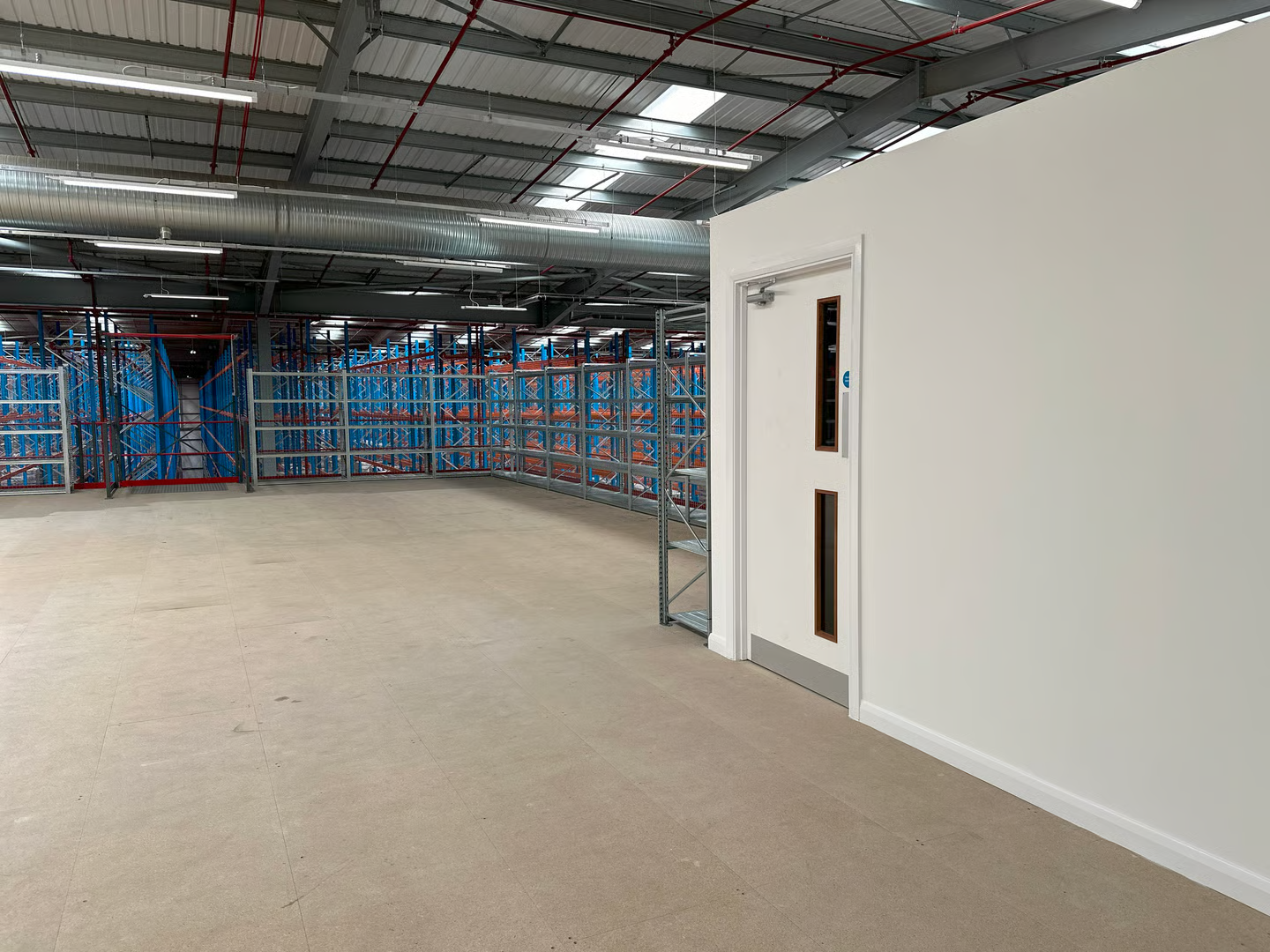
A very common example is the warehouse office. A warehouse mezzanine office is a great use of space, but it is almost certainly a floor for tax purposes. Occupied mezzanines also tend to need fire protection, as covered in our guide on whether your mezzanine floor needs to be fire rated, which adds to the sense that you have created a new storey.
Mixed-use platforms are the grey area. If part of the deck is storage and part is office space, talk to your accountant before the design is finalised. In some cases it may make sense to separate the two into distinct structures.
What a Claim Could Be Worth in 2026
If your mezzanine qualifies as plant and machinery, the rules from April 2026 work broadly like this.
Limited companies can claim full expensing: a 100% first-year deduction on new and unused main rate plant and machinery, with no upper limit. Because the main rate of corporation tax is 25%, that is worth up to 25p of tax saved for every pound spent, all in the year the expenditure is incurred.
All businesses, including sole traders and partnerships, can use the Annual Investment Allowance, which gives a 100% deduction on up to £1 million of qualifying spend each year. Unlike full expensing, the AIA can also cover second-hand assets.
Unincorporated businesses that go beyond the AIA, and businesses buying assets to lease out, can now use a 40% first-year allowance, introduced from 1 January 2026, with the balance relieved through writing down allowances. Those writing down allowances are now slower: the main rate fell from 18% to 14% a year from April 2026.
To put that into numbers, imagine a company paying the main rate of corporation tax installs a £60,000 storage mezzanine. If it qualifies for full expensing, the company could deduct the full £60,000 from that year’s profits, saving up to £15,000 in tax straight away. If the same structure is treated as a floor, it falls outside plant and machinery altogether, and the best available relief is likely to be the much slower Structures and Buildings Allowance, at 3% a year.
That difference can change the business case. Our breakdown of mezzanine floor costs will help you put realistic figures into the calculation, and our article on the cost vs long-term value of mezzanine floors looks at payback beyond tax. It also strengthens the comparison with building out: an extension is a building, so it gets building-type relief, while a qualifying storage mezzanine can be relieved far faster. See our comparison of a mezzanine floor vs an extension for the wider picture.
The Items Around the Platform
A mezzanine project is rarely just steel and decking, and the extras do not all get the same treatment.
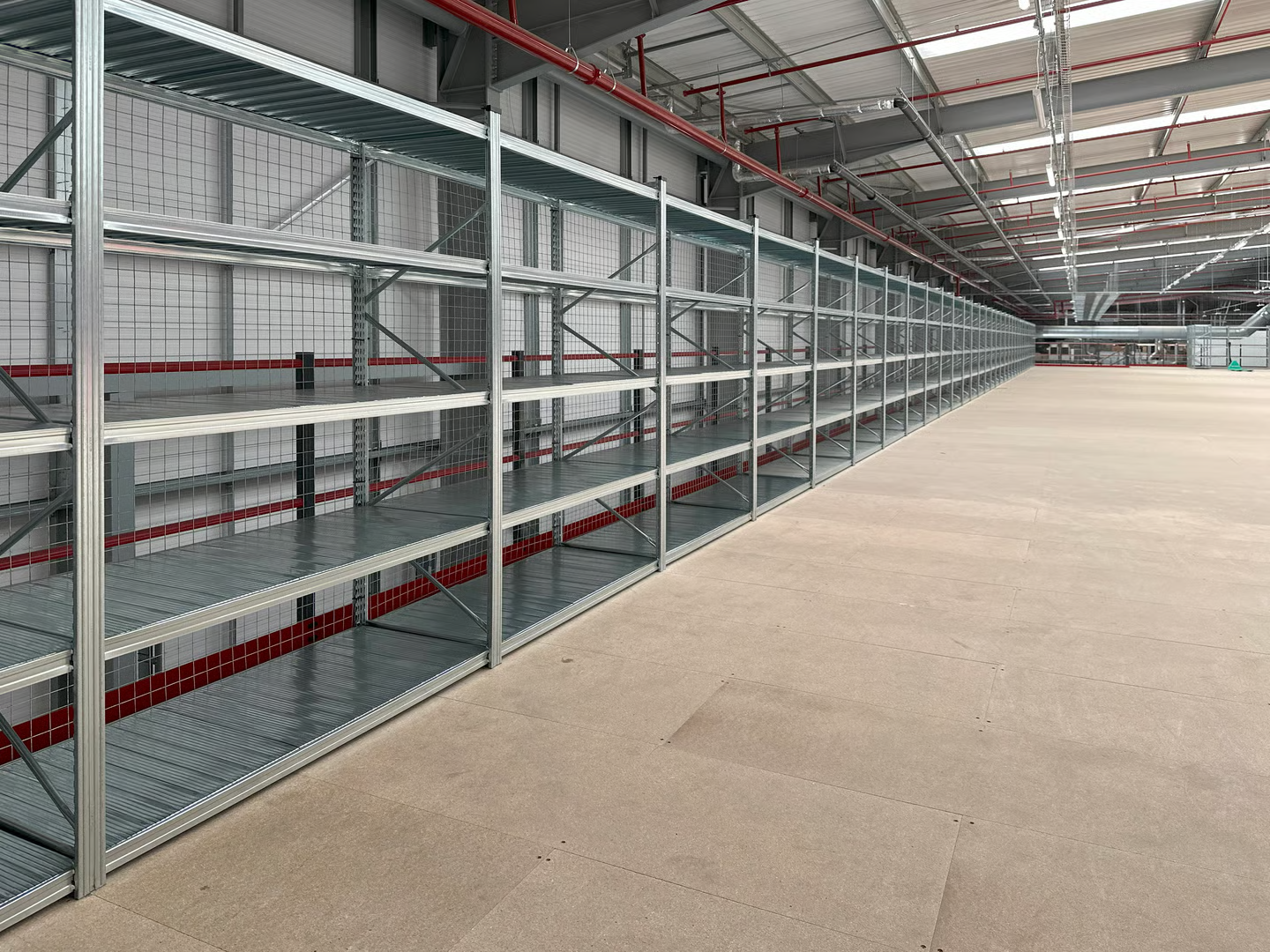
Shelving and racking installed on the deck are storage equipment in their own right and normally qualify as plant whatever the platform is classed as. If you are fitting out the upper level with shelving, our sister company Unirack designs and supplies systems that work alongside a mezzanine.
Lighting and electrical installations are usually treated as integral features. These sit in the special rate pool, which for companies can attract a 50% first-year allowance on new spend, with the remainder written down at 6% a year. Ancillaries such as staircases, handrails and pallet gates generally follow the treatment of the platform they serve, but your accountant will want to see them listed.
This is why an itemised quote matters. A single lump sum makes it hard for anyone to split qualifying and non-qualifying costs. Our mezzanine quote checklist covers what a good quote should break down.
Leased Warehouse? Check Who Can Claim
Most warehouse mezzanines go into leased buildings. In general, the business that pays for qualifying equipment is the one that claims the allowances, but fixtures in leased property bring their own rules, and the lease terms matter. Some leases require the tenant to remove the mezzanine at the end of the term, which also supports the argument that it is not part of the building.
You will need your landlord’s agreement in any case. Our guide to landlord consent and dilapidations for mezzanine floors explains what to agree before work starts.
Think about the future too. If you claim full expensing and later sell the mezzanine, or move and leave it behind for value, there may be a balancing charge that claws back some of the relief. If relocation is on your horizon, our article on warehouse relocation costs is a useful read, and with a typical mezzanine floor lifespan of decades, a demountable structure can move with you.
New or Second-Hand?
Full expensing and the 40% first-year allowance only apply to new and unused assets. A second-hand mezzanine can still qualify for the Annual Investment Allowance if it counts as plant, but larger companies spending beyond the AIA lose the advantage of full expensing. That is worth weighing alongside the usual questions about whether a used structure suits your building and loads.
What to Give Your Accountant
The more clearly you can show that the mezzanine is storage equipment, the easier the conversation will be. Before you commit, it helps to gather an itemised quote that separates the platform, ancillaries, electrics and any shelving; the design drawings showing how the structure is supported and fixed; a short written statement of how the upper level will be used; and the relevant clauses of your lease.
Our mezzanine floor design service produces detailed drawings and specifications as standard, so you have the documentation from the start rather than trying to reconstruct it at year end.
Frequently Asked Questions
Is a mezzanine floor plant and machinery?
Usually not, according to HMRC. The exception is a platform used purely for storage that has not become part of the premises, which can be treated as storage equipment and claimed as plant.
Can I claim the Annual Investment Allowance on a mezzanine floor?
Yes, if the mezzanine qualifies as plant and machinery. The AIA covers up to £1 million of qualifying spend a year and is available to companies, sole traders and partnerships.
Does an office mezzanine qualify for capital allowances?
An office mezzanine is very likely to be treated as a floor, so it will not qualify as plant. Some of the fit out inside it, such as furniture and certain electrical systems, may still qualify separately.
Can a tenant claim capital allowances on a mezzanine?
Often, yes, where the tenant pays for qualifying equipment. The lease terms and fixture rules can affect this, so check with your accountant.
Planning a Storage Mezzanine?
A well-designed storage mezzanine can add capacity without the cost of moving, and if it qualifies as plant, the tax position can make the numbers even stronger. The design decisions that shape your claim are made early, so it pays to involve the right people from the start.
To talk through your space and get a clear, itemised proposal, explore our warehouse mezzanine floors or request a quote and our team will arrange a site survey.
This article is general information only and does not constitute tax advice. Tax rules can change. Always confirm the treatment of your expenditure with a qualified accountant or tax adviser.