

Mezzanine Floor Design
Modern and efficient mezzanine designs for businesses across the UK



Mezzanine Floor Designers
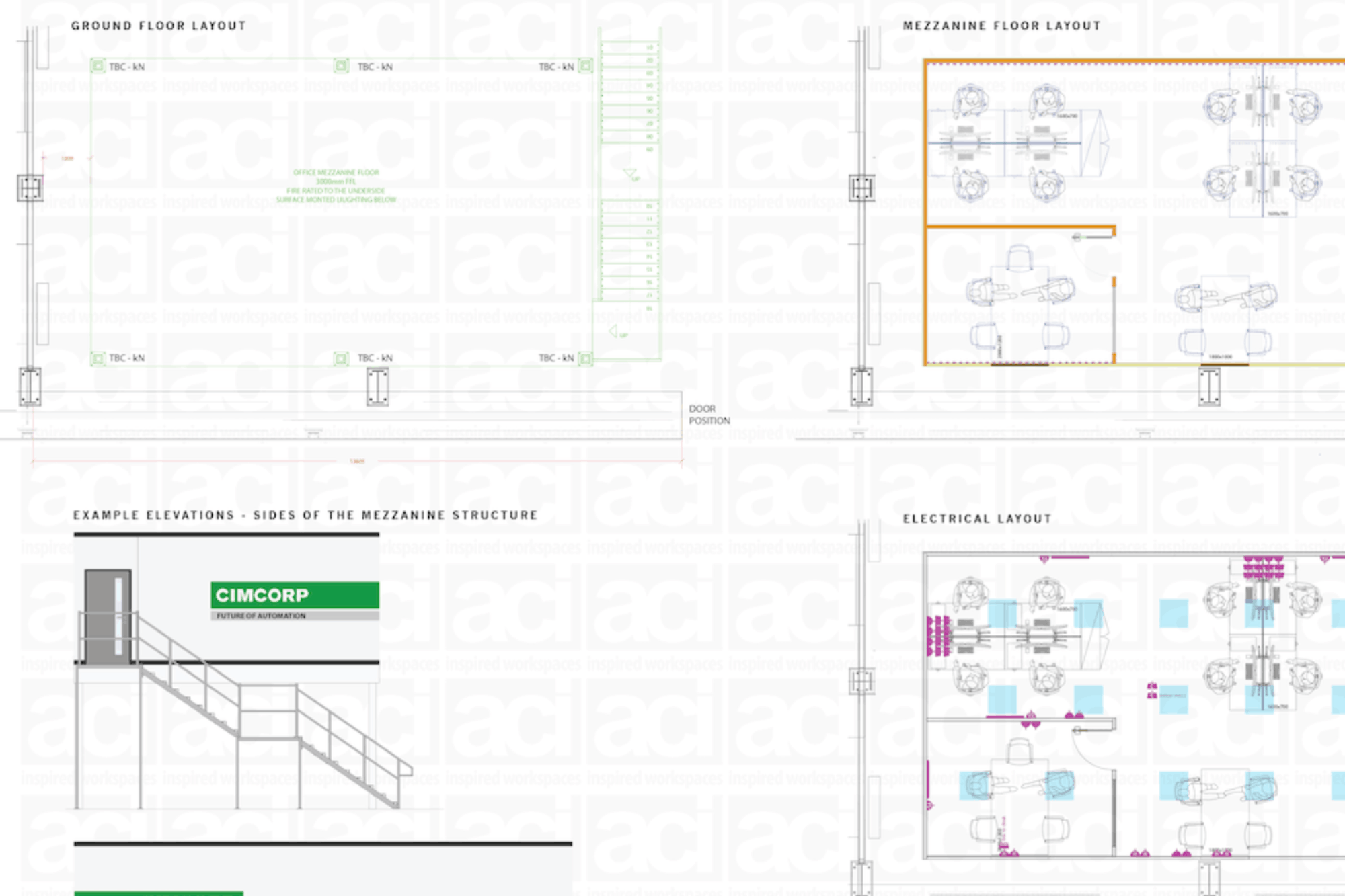
Mezzanine floor design is the process of engineering a structure that is safe, compliant and right for your building before any work begins on site. It involves assessing your space, calculating load requirements, producing structural drawings and securing building regulations approval.
As specialist mezzanine floor designers, we work with you from the very first survey to understand exactly what you need and design a structure that delivers it.
Our team handles everything in-house, including structural design, building regulations approval and full installation, so you have a single point of contact throughout. Every mezzanine floor we design is tailored to the specific constraints and requirements of your building and your business.
Free surveys and space planning
Trading for over 15 years
Fully insured & accredited
In-house design team
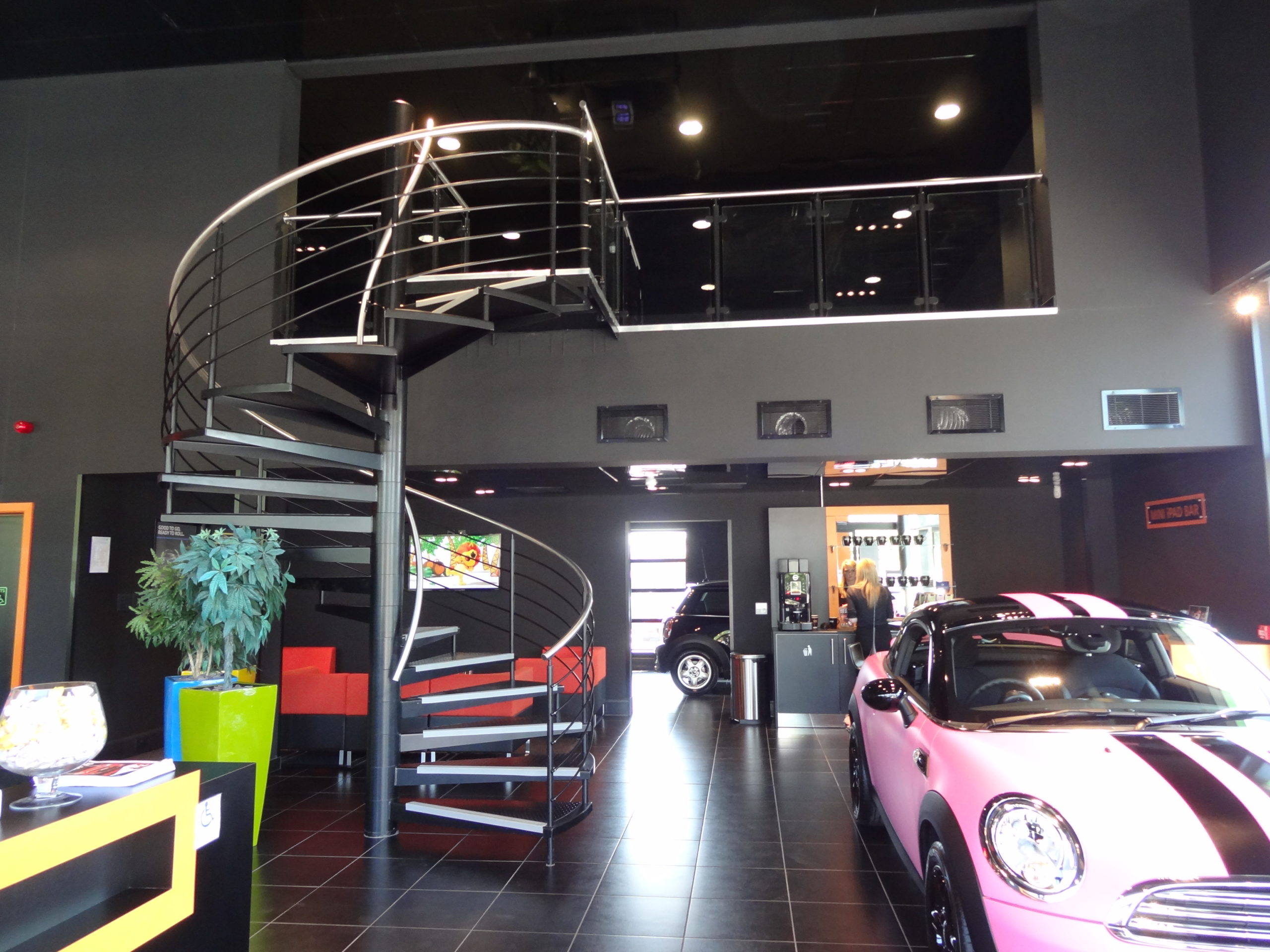
Why choose us for your mezzanine floor project?
| Features | Us | Average mezzanine installer | Average builder |
|---|---|---|---|
| Free survey & design | |||
| All fitters hold CSCS cards | |||
| Full building control compliance | |||
| Construction & loading calculations | |||
| We are the designated designer for your floor | |||
| Building control checks | |||
| Professional indemnity insurance | |||
| In house electrical works | |||
| In house fit out team | |||
| Full scheme turnkey service | |||
| Finance your Mezzanine Floor over 3-5 Years (via our partners) |
Mezzanine flooring for a range of different industries
Commercial Mezzanine Floor Design
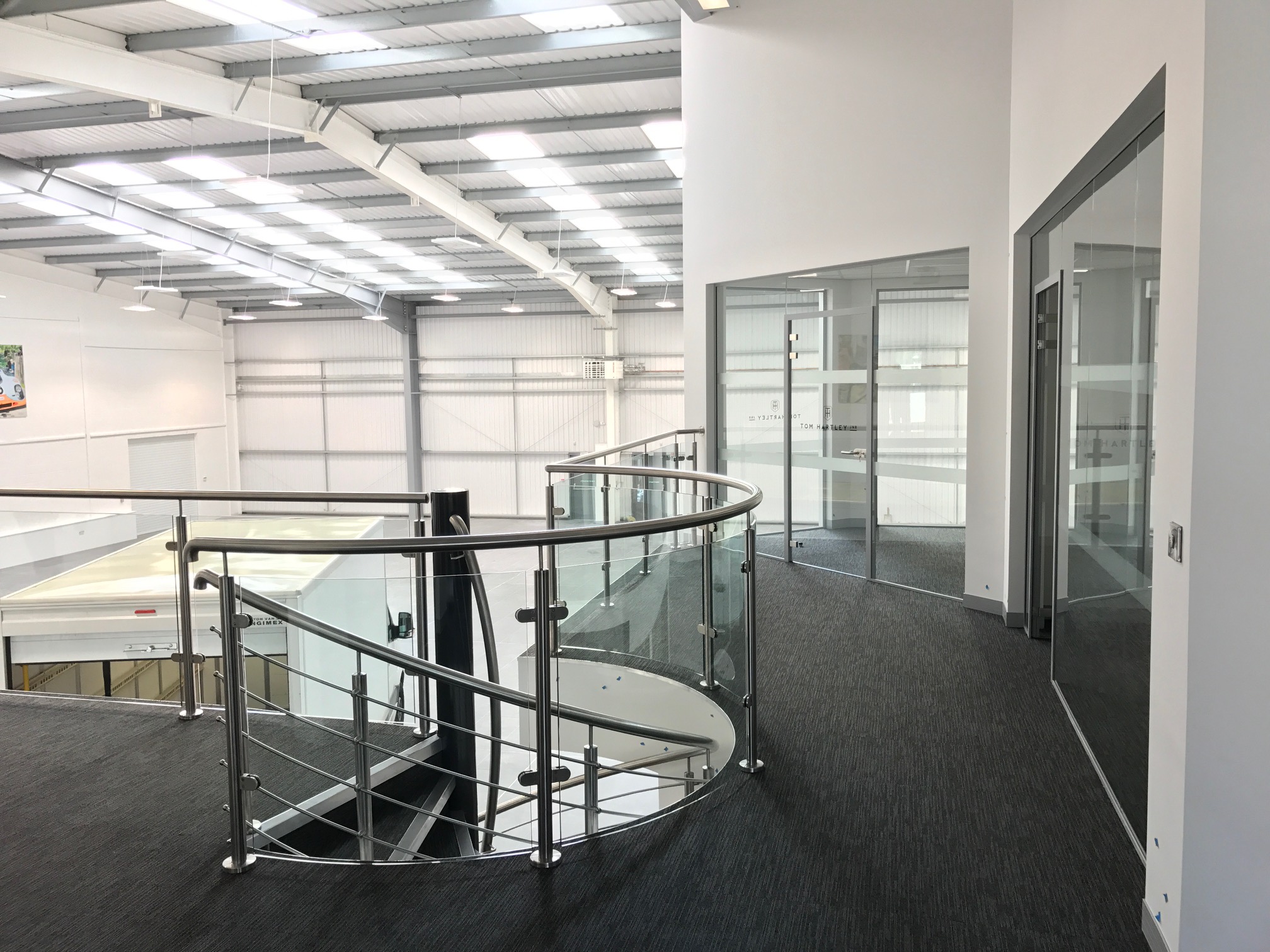
Whether your team is growing or you want a new business layout, mezzanine floors are a great way to add more space without having to invest in a new property. Taking into consideration commercial design, function, materials and safety, our designers will come up with a solution that fits your budget, looks good and supports your business goals.
Our commercial mezzanine floors can be designed for a number of different industries:
-
Office mezzanine floors – Ideal for creating additional workspace, meeting rooms or breakout areas without the need to relocate. Designed for comfort, functionality and future business growth.
-
Factory mezzanine floors – Suits production environments needing extra room for machinery, equipment or storage. Built for durability and to improve workflow within existing factory layouts.
-
Retail mezzanine floors – Perfect for expanding shop floors, stockrooms or display areas. Designed to reflect your brand and enhance the customer shopping experience.
-
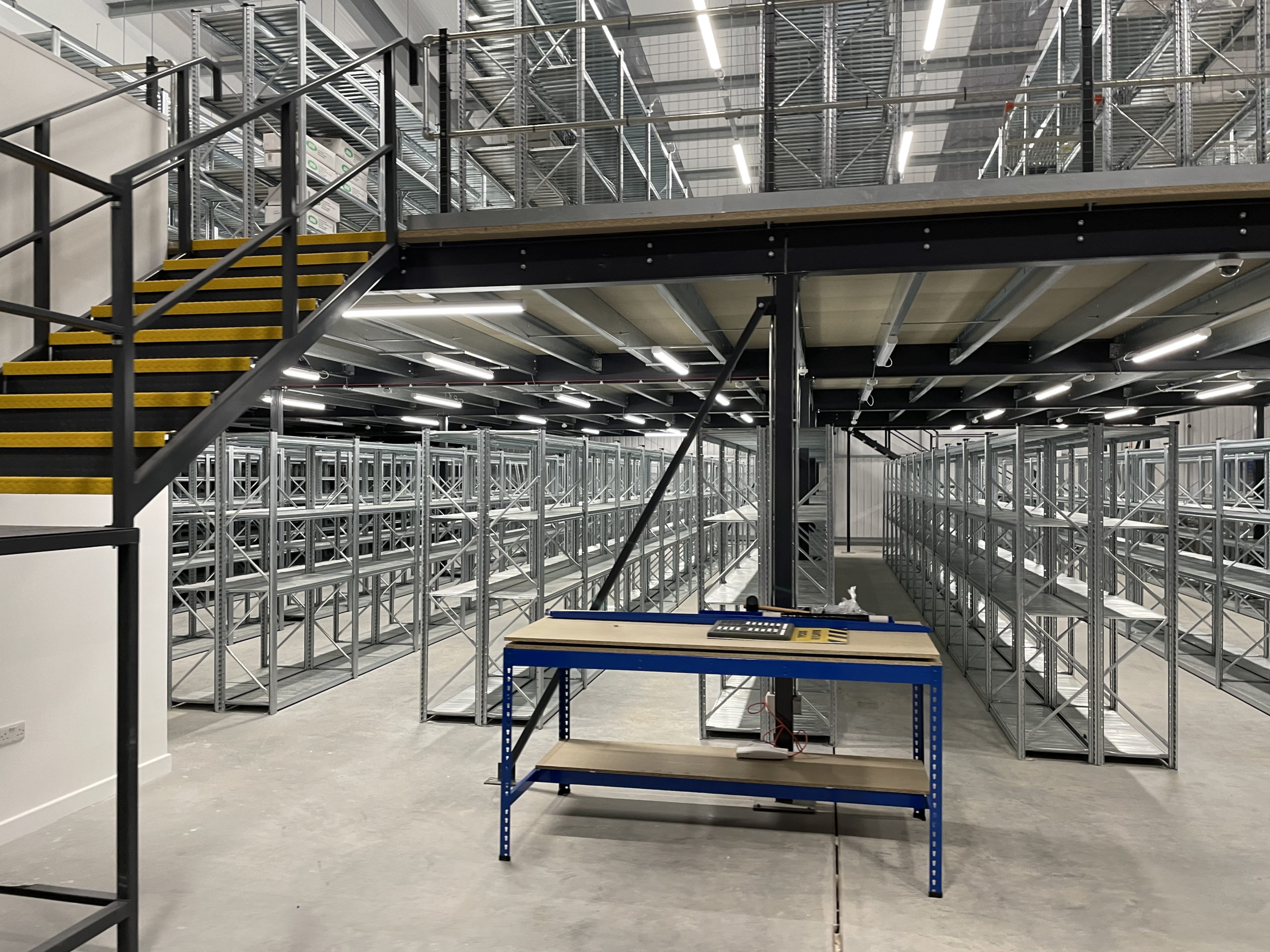
Storage mezzanine floors – Suits warehouses, storerooms or distribution centres needing more storage capacity. Efficiently adds space while working with your existing shelving or racking.
Expanding workforces and enhancing operations
Industrial Mezzanine Floor Design
Specialising in industrial mezzanine flooring, our team of designers know exactly what goes into the process of industrial workspaces. Covering spaces such as warehouses, storage and factories, our design process will work with your existing space and add additional areas for workstations, machinery, amenities or extra shelving. Whatever you are needing additional space for, we will ensure that all design scopes meet your requirements.
Find out more about our industrial mezzanine floors or get in touch with the team to begin your new project.
Trusted by


















-
1Survey and Discuss
-
2Detailed Quotation
-
3Design
-
4Install
-
5Handover
Survey and Discuss
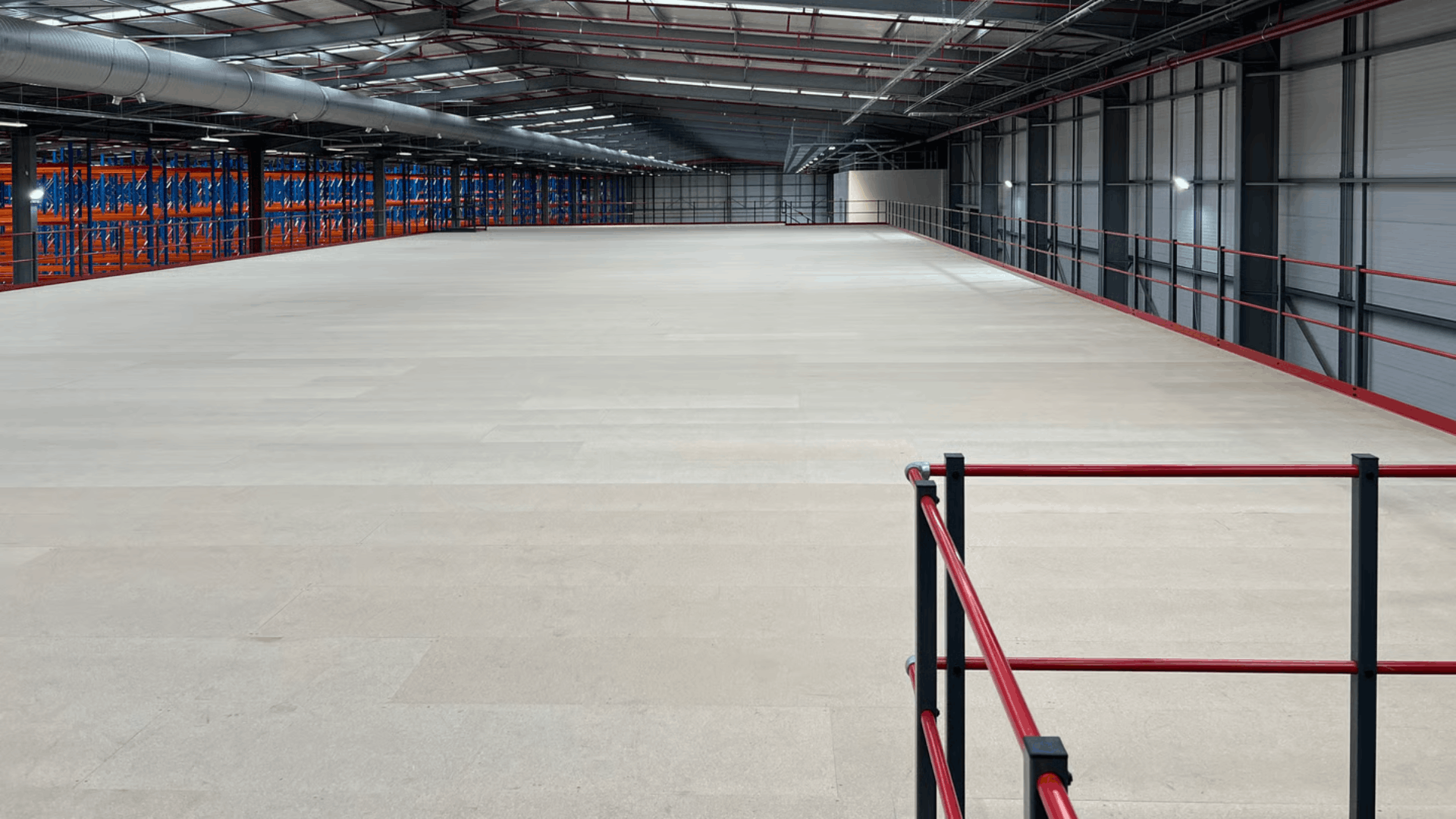
Before any mezzanine floor project begins, a professional survey is the essential first step. An experienced surveyor will visit your site to assess the existing structure, including floor loading capacity, ceiling height, column positions and access requirements. This survey also accounts for fire escape routes, sprinkler systems and any M&E services that could affect the design. Without a thorough survey, there is a real risk of specifying a mezzanine that cannot be safely installed or that fails to meet building regulations. A good surveyor will identify constraints early, saving time and cost further down the line. Whether you are planning a mezzanine for warehousing, office space, retail or production, the survey ensures the proposed structure is both feasible and compliant before any money is committed to the project.
What Does The Mezzanine Floor Design Process Involve?
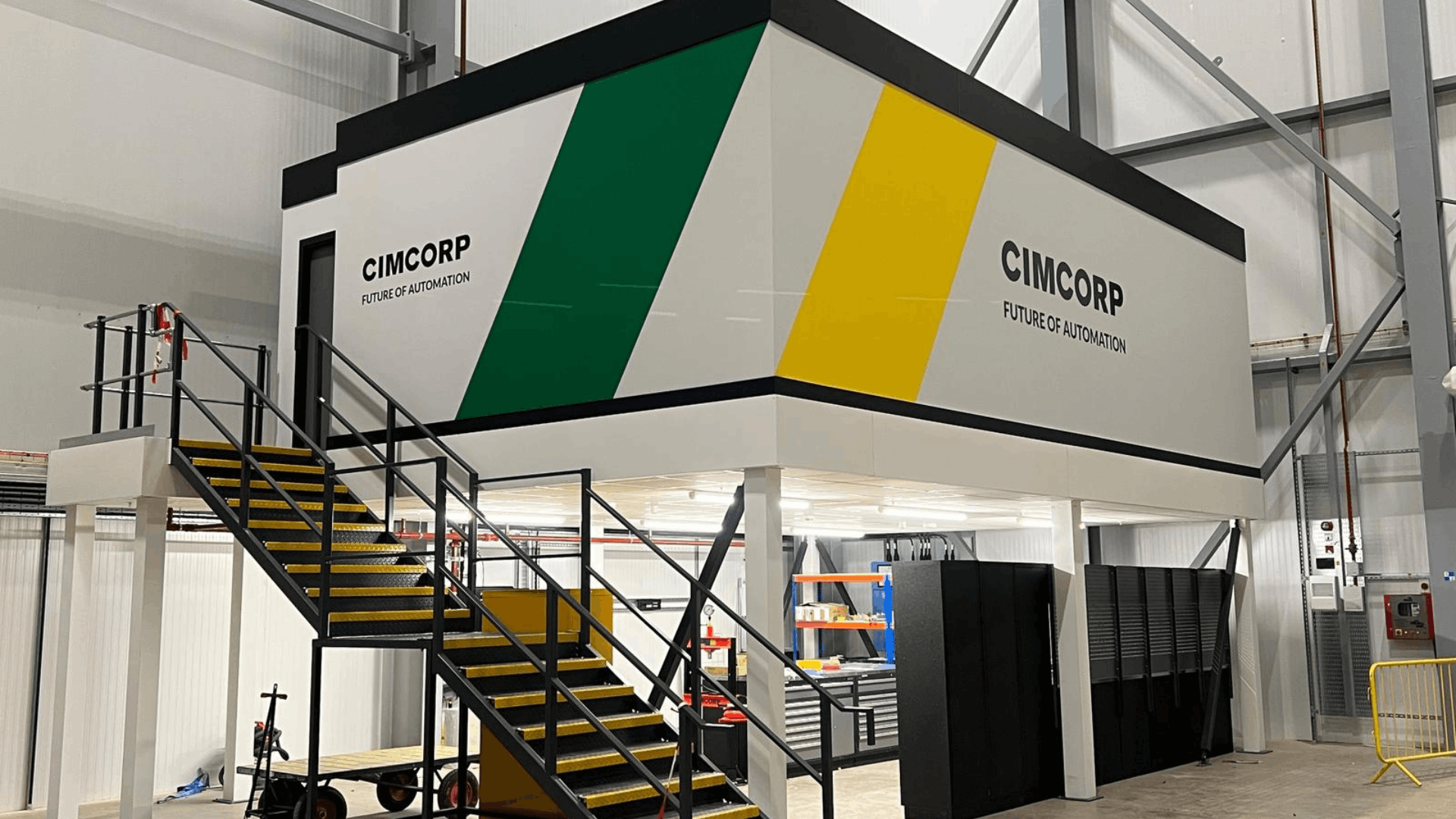
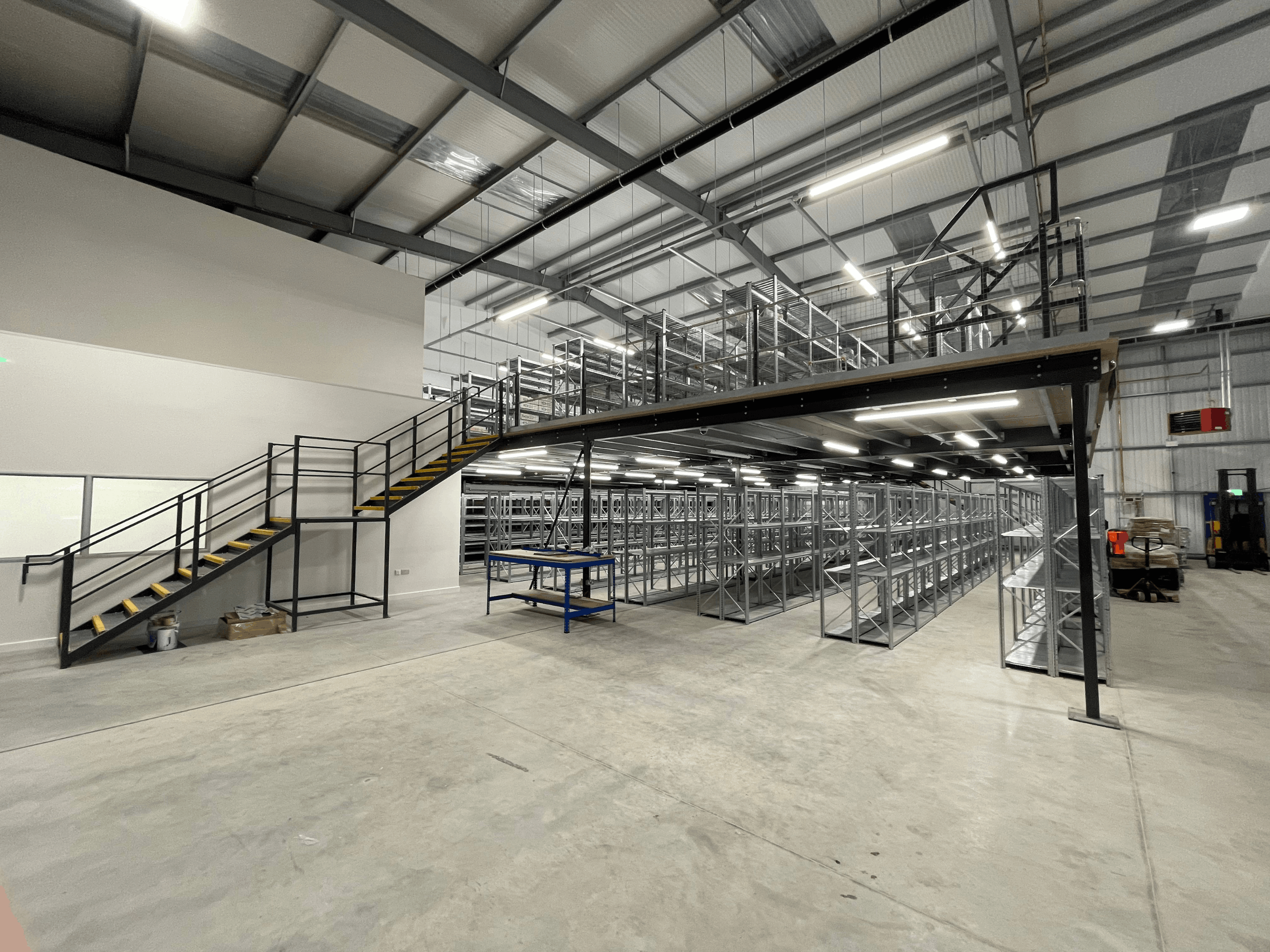
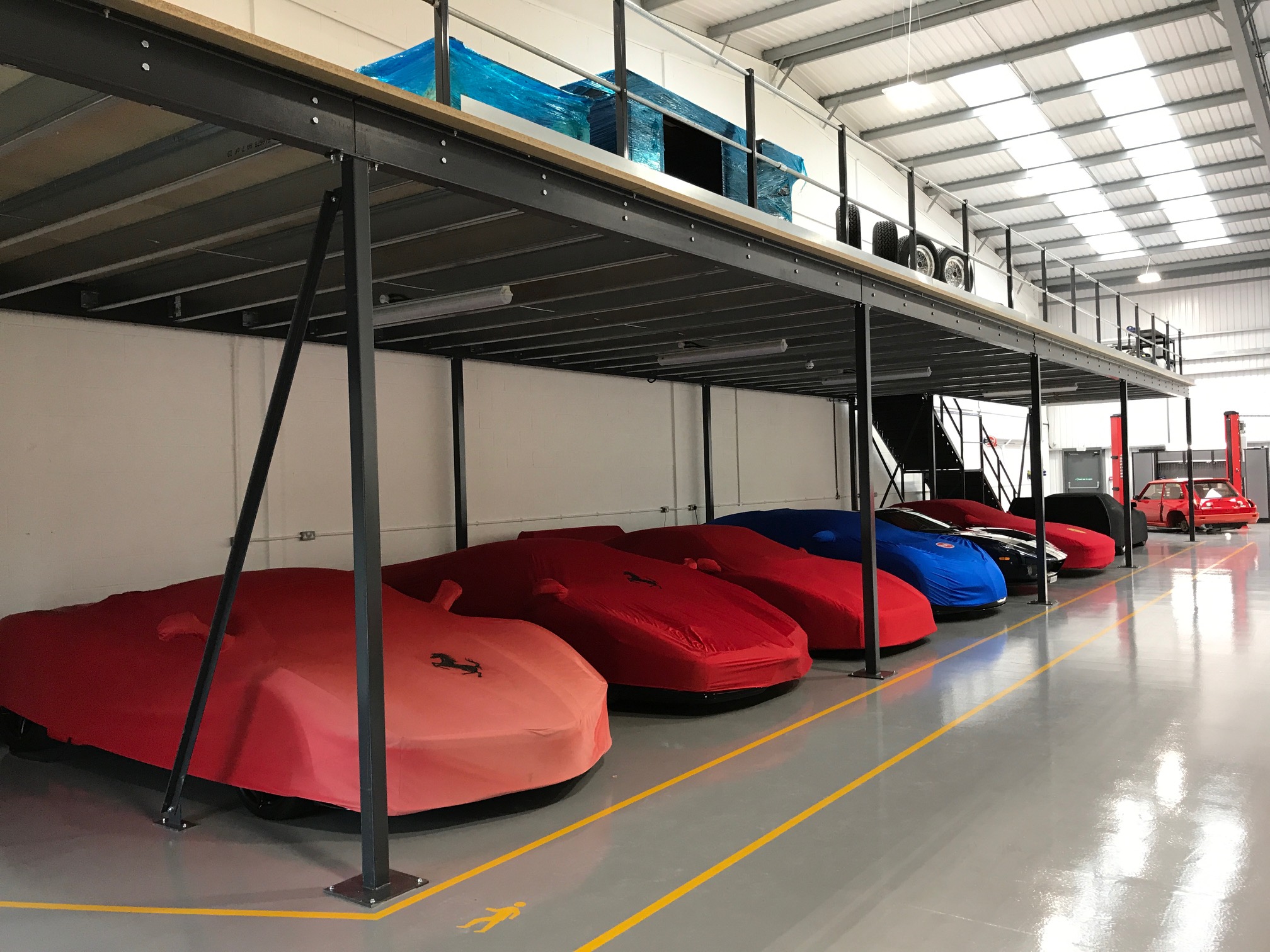
Mezzanine floor design is a structured engineering process that begins with a site survey and ends with a set of approved drawings ready for fabrication. A structural engineer will assess your building, determine load requirements and produce detailed calculations specifying beam sizes, column spacing, deck thickness and connection details. The design must satisfy building regulations covering structural integrity, fire safety and means of escape. The resulting drawings form the basis for building regulations submission, material procurement and on-site installation, so accuracy at the design stage is critical to the success of the whole project.
What Factors Influence Mezzanine Floor Design?
A wide range of factors shape the design of a mezzanine floor, including the intended use, required load rating, available ceiling height and the structural capacity of the existing building. Column positions must work around existing racking, machinery, drainage and floor fixings. Fire safety requirements, access routes and disabled access obligations also influence the layout and specification. No two mezzanine floor designs are identical, which is why a thorough site survey and a bespoke engineering approach are essential rather than an off-the-shelf solution.
Can Mezzanine Floor Design Accommodate Existing Building Features?
Yes, and this is one of the principal reasons why bespoke mezzanine floor design is preferable to standard catalogue solutions. An experienced engineer can adjust column grids to avoid racking bays, machinery pads, drainage channels and structural columns within the host building. Where obstructions cannot be avoided, cantilever beams or transfer structures can be incorporated. Roof lights, sprinkler heads, heating units and existing M&E services must also be considered during the design process to avoid costly clashes once installation begins.
How Does Intended Use Affect Mezzanine Floor Design?
The intended use of a mezzanine floor has a direct bearing on almost every aspect of its design. An office mezzanine requires a different load specification, access arrangement and fire strategy compared to a storage or production mezzanine. Office use typically demands attention to acoustic performance, natural light, disabled access and ventilation. Industrial use prioritises structural robustness, heavy point load capacity and goods access via pallet gates or hoists. Clearly defining how the mezzanine will be used before the design process begins ensures the final structure is fit for purpose and fully compliant.
Can Mezzanine Floor Design Allow For Future Changes Or Expansion?
Absolutely! Forward-thinking mezzanine floor design can build in flexibility for future adaptation. Column grids can be specified to allow straightforward extension in one or more directions and structural calculations can be carried out for a larger footprint than the initial installation requires. Designing for a higher load rating than immediately needed is also relatively low cost at the outset and avoids expensive structural upgrades later. If there is any possibility that the mezzanine will need to be relocated or reconfigured in the future, this should be raised with your designer at the earliest stage so that bolted rather than permanent connections are used throughout.