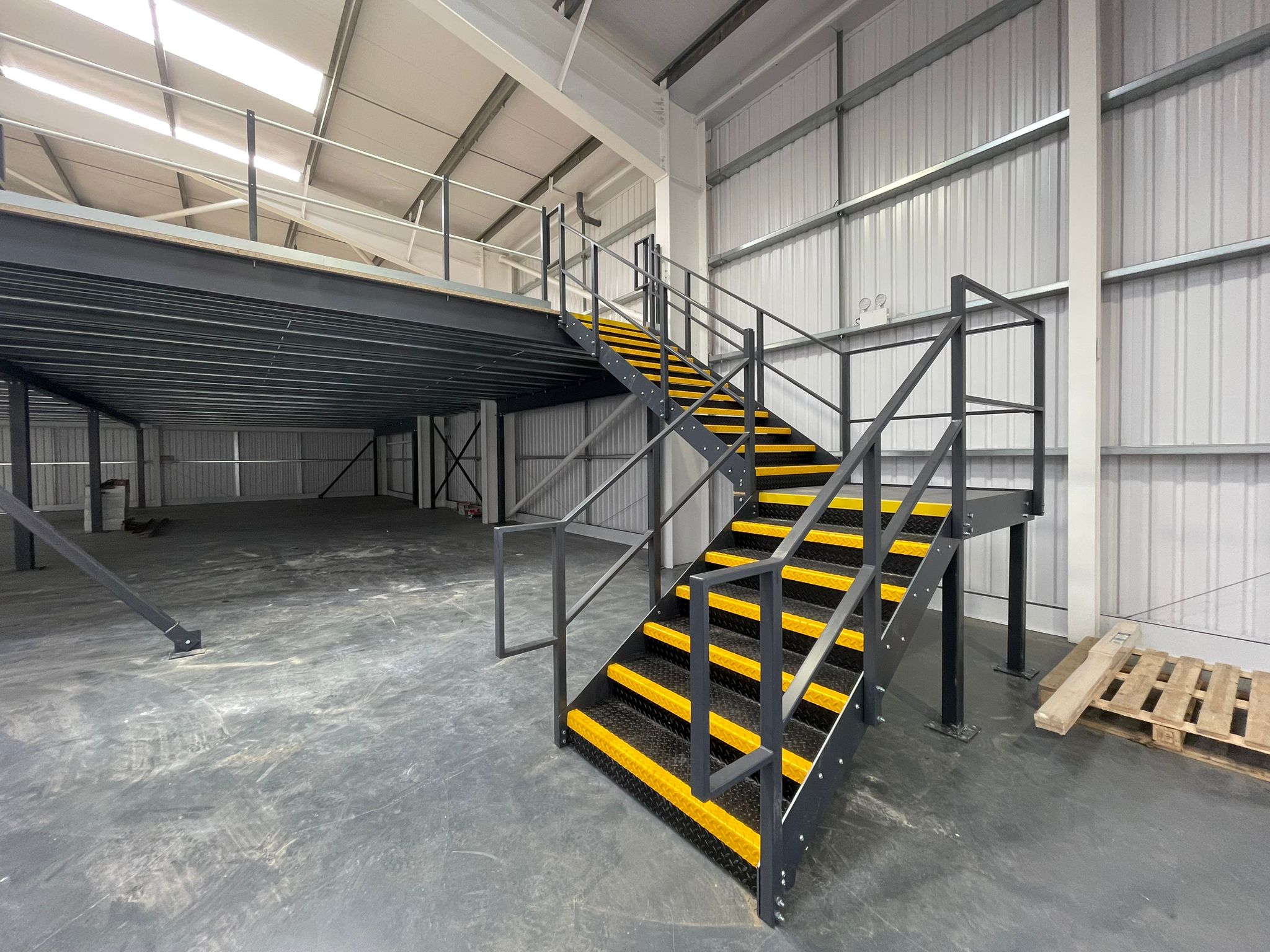
Dilapidations refers to the condition of a leasehold property during a tenant’s occupancy and when the lease ends.
Mezzanines are considered a structural or material alteration of the building. Therefore, installing a mezzanine floor in a commercial property requires formal landlord consent (a Licence to Alter) to avoid breach of lease.
As a result, mezzanine floors also usually have dilapidations obligations, which covers the process removing the structure and reinstating the premises at the end of the term. The exact changes required will be outlined in the lease requirements and should be reviewed prior to going ahead with an installation of a mezzanine floor.
The Mezzanine Company installs mezzanine floors across the UK, ranging from industrial mezzanines to retail mezzanines.
To guide you on what the landlord consent and dilapidations process for mezzanine floors looks like, we’ve compiled the key pieces of information in the following post.
Landlord Consent
Before a mezzanine floor can be installed in a leased commercial or industrial property, tenants must submit a formal licence for alterations application. Usually this is done through solicitors.
Landlords will typically require drawings, structural calculations and a specification of works. The landlord may impose conditions, such as reinstatement at lease end, use of approved contractors or requirements around building regulations compliance.
Proceeding without landlord consent is a breach of covenant and can lead to forfeiture in serious cases.
Landlords cannot unreasonably withhold consent for improvements. However, a mezzanine that compromises the structural integrity of the building, affects fire escape routes or reduces future lettability may give the landlord legitimate grounds to refuse or impose conditions.
Dilapidations
Dilapidations refers to the tenant’s obligation to return the property in the agreed condition at lease expiry.
Mezzanine floors are a significant dilapidations consideration. Therefore, most licences for alterations will include a reinstatement clause requiring the tenant to remove the mezzanine and make good on exit.
Even where this isn’t explicit, landlords can argue for reinstatement under the lease’s yielding-up provisions.
What Can Be Required For Mezzanine Dilapilations?
Under mezzanine dilapidations, the tenant may have to repair, remove or restore a mezzanine floor they installed in a leased building when the lease ends.
If the mezzanine was added during the tenancy, the lease or licence for alterations often requires the tenant to return the property to its original condition unless the landlord agrees to keep the structure.
The works can involve dismantling the mezzanine, repairing any structural changes and making good floors and walls. Plus, ensuring compliance with relevant regulations such as building control approval and fire safety requirements.
Mezzanine dilapidations checklist (general guide):
Structural Condition
- Integrity of the steel frame, columns and beams
- Signs of corrosion, deformation or weld failures
- Column base plates and anchor bolt condition
- Any unauthorised modifications to the original structure
Decking & Floor Surface
- Condition of the decking panels (typically open bar grating, chequer plate or chipboard/plywood)
- Deflection, damage, warping or rot in boarding
- Loose, missing or damaged fixings
- Surface wear or contamination beyond fair wear and tear
Staircase & Access
- Structural condition of the staircase stringers and treads
- Handrail and balustrade integrity and compliance
- Non-slip nosings including their presence, condition and security
- Landing platforms and their fixings
Guarding & Edge Protection
- Perimeter handrails and knee rails including height compliance (minimum 1,100mm under current Building Regulations)
- Balustrading spindle spacing (max 100mm gap)
- Condition of toe boards
- Any missing or damaged sections
Fire Safety Elements
- Condition of any intumescent paint or fire protection applied to steelwork
- Integrity of fire-rated boarding where installed
- Sprinkler drop-downs or fire detection heads serving the mezzanine level
Fixings To The Host Building
- Condition of connections to the host building’s walls, columns, or roof structure
- Any damage caused to the host structure by the mezzanine installation
- Floor penetrations, core holes and slab fixings including whether making good is required
Services & Utilities
- Electrical distribution boards, lighting, and containment routes installed on or within the mezzanine
- Any mechanical ventilation, data cabling or compressed air lines
- Whether these were part of the original consent and who owns them
Compliance & Documentation
- Whether the structure was installed with building regulations approval and a completion certificate
- Structural engineer’s sign-off records
- Any SEMA (Storage Equipment Manufacturers’ Association) compliance documentation
- Whether the as-built structure matches the approved drawings
Making Good On Removal
- Reinstatement of any wall or column finishes damaged during removal
- Removal of all associated services and containment
Need More Help With The Dilapidations And Removal Of Mezzanine Floors?
The Mezzanine Company specialises in the installation of mezzanine floors in the UK.
Our work spans various mezzanine floor types, from industrial to retail mezzanines. All of our mezzanines are installed to the highest standards, including full building control compliance.
If you have any questions about mezzanine floor dilapidations and removal, or if you are interested in our installation services, please contact us.
Or, to speak with our mezzanine installation team directly, please call us on 0115 647 7425.