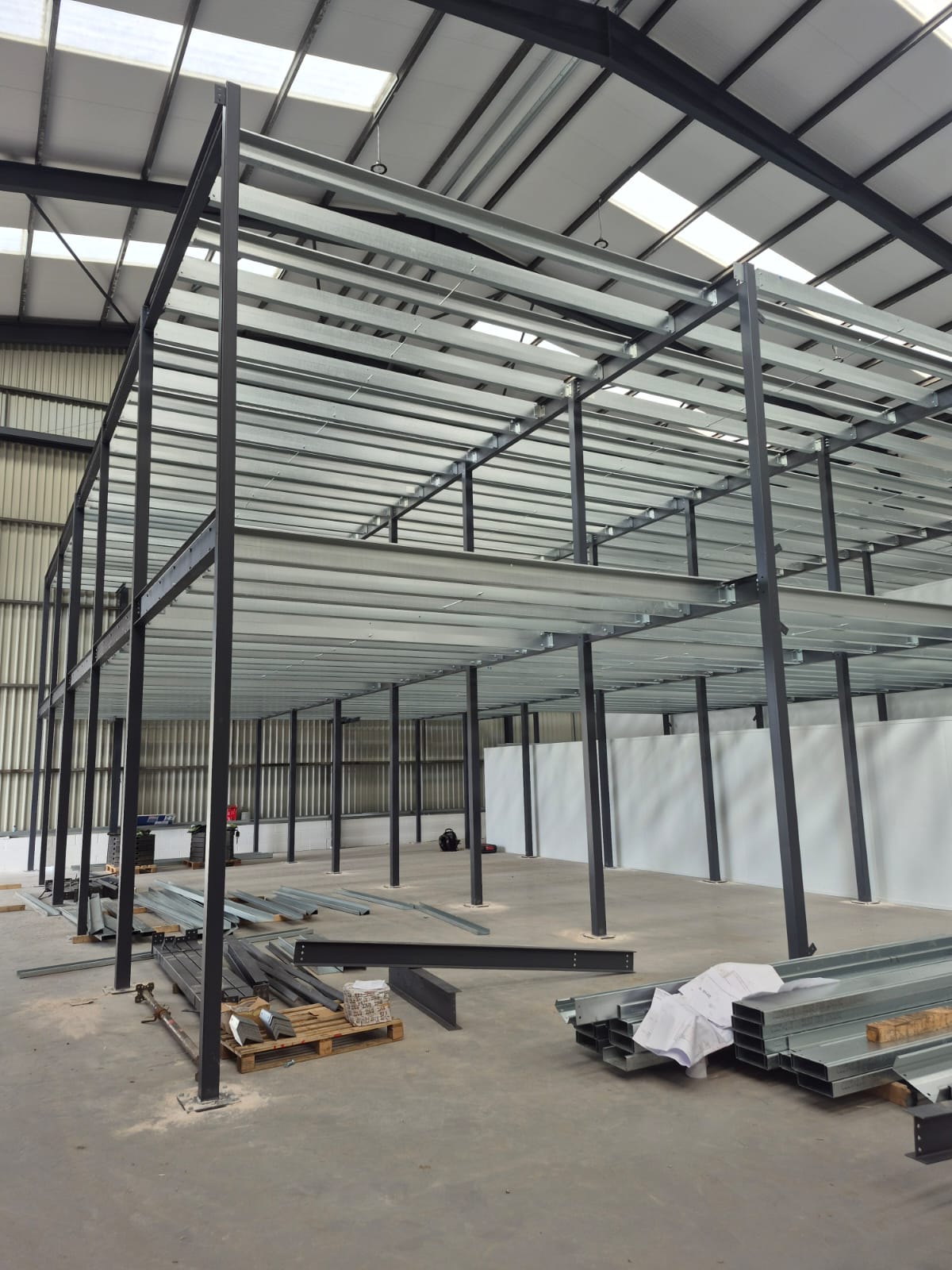
Adding a mezzanine floor is one of the most cost-effective options when needing to gain extra space in your commercial building. That’s because a mezzanine floor quite literally transforms empty space into practical, usable and highly valuable usage potential.
But does the long term value of mezzanine floors look equally as bright?
In today’s post, The Mezzanine Company team will explain what impacts the initial cost of a mezzanine floor. Plus, what to expect when it comes to the long term outlook of your investment.
How Much Does A Mezzanine Floor Cost UK?
In the UK, the national average price for a mezzanine floor is £90 to £350 per m². There is a large cost fluctuation, since, as you might expect, your location and also the specification of the floor will determine the price.
Mezzanine floors can be used for light storage through to heavy industrial use. In some cases, the space may also need to accommodate customers meaning it also needs to reflect your brand to a high specification level (i.e. luxury retail).
With all of this in mind, the price of a mezzanine floor may factor in the following elements:
- Support materials (i.e. steel supports, beams, joists)
- Initial floor structure
- Floor finishes
- Staircases
- Handrails & barriers
- Pallet gates or goods lifts
- Lighting
- Fire protection
- Lighting
- Electrical installations
- Installation
- Building Control sign off
P.S. Interested to know what a mezzanine floor would cost for your commercial space? Contact us today on 0115 647 7425 to arrange a free quote.
Why Is The Cost Of A Mezzanine Floor So Justifiable?
When you need extra space to run your business, adding a mezzanine floor isn’t your only option. However, it often proves to be the cheapest in the long run because of the pitfalls of the alternatives.
These include:
- Relocation costs
- Disruption to operations
- Increased rent for a larger facility
- Planning delays for building extensions
Obviously, every scenario is different and businesses should also weigh up their own pros and cons. However, it’s also true that in many instances, the cost of a mezzanine floor can be recovered purely by avoiding relocation expenses.
Simply put, a mezzanine floor works with what you already have to expand the footprint of your building, but without having to leave it behind.
For any business which currently has a favourable location, it makes even less sense to relocate if adding a mezzanine floor is possible instead.
Looking Ahead To The Long Term Value
When you make any financial investment in your business, the upfront value is great. However, if it’s not something that provides value in the future, the ROI might not be as rosy as it first seemed.
Thankfully, that’s not the case with a mezzanine floor, as long as the space is properly maintained, it will continue to provide usable manufacturing, storage, office, retail or training space for your business for many years to come.
Let’s look at those value gains in greater detail, depending on how you plan on using a mezzanine floor.
Increased Productivity & Storage Capacity
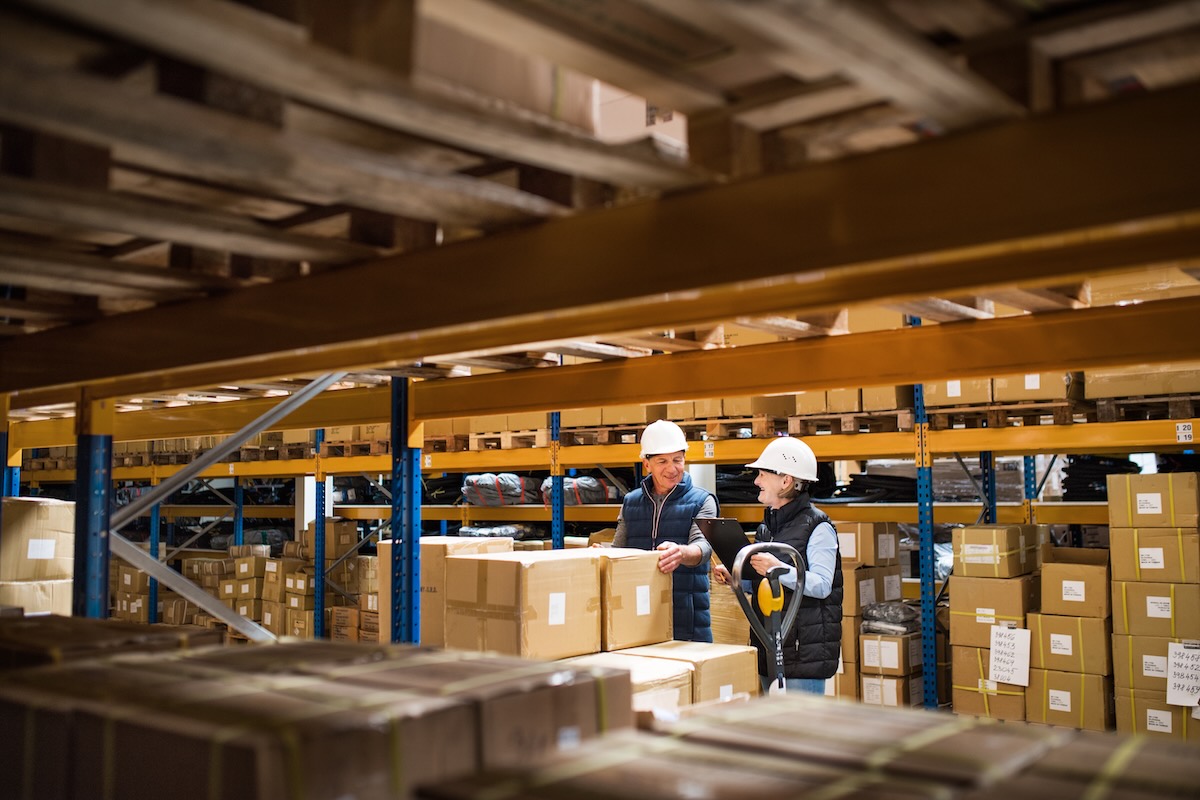
As we’ve just touched upon, mezzanine floors are commonly used to create storage or industrial production facilities.
If so, the long term value can be seen in things such as higher stock capacity, expanded production capabilities and a better workflow. As well as improving output, the extra space can also be used to relieve any existing bottlenecks within your existing facility.
Another way that increased storage or industrial space creates value is by supporting the expansion of your business. In contrast, not having the storage or production space you need can actually prevent expansion, thus also costing your business money.
Lower Building Running Costs
At the time of writing, the rising cost of energy is affecting businesses. With other costs such as wages and National Insurance also increasing, it’s never been more important to ensure that your commercial premises are energy efficient.
Modern mezzanine floors are built to the most current Building Regulations, including Part L, which covers the energy efficiency of the building. This helps reduce running costs compared with any commercial structure which is not built to be thermally efficient.
Adding a mezzanine could also be the perfect time to make any other adjustments to your building, such as switching to a heat pump, solar panels or even retrofitting with insulation.
Additionally, since a mezzanine floor means you’ll be heating and cooling the same cubic space, this also works to lower energy bills. Even relocating could mean you endure higher energy bills, especially if the new space isn’t built to the latest standards.
At The Mezzanine Company, we can also advise on creating the most thermally efficient mezzanine structure, depending on the usage requirements of your business.
Increased Property Value
Commercial property owners naturally want to experience a good return on their investment, including when it comes to renting or indeed selling the building down the line.
For property owners, a mezzanine floor expands the lettable area of the building and ultimately creates a higher resale value.
Even if selling isn’t top of mind right now, maximising the value of the building is a smart move for when it is the right time.
Discover The Value Of A Mezzanine Floor For Your Business
Every business has different requirements when it comes to a mezzanine floor. So, the best way to understand how a mezzanine floor could add value to your business over the long term is to speak with our experts.
The Mezzanine Company is based in Nottingham and we install mezzanine structures across the UK.
Please get in touch to let us know more about your project.
Or, give us a call on 0115 647 7140 to speak with our team directly.