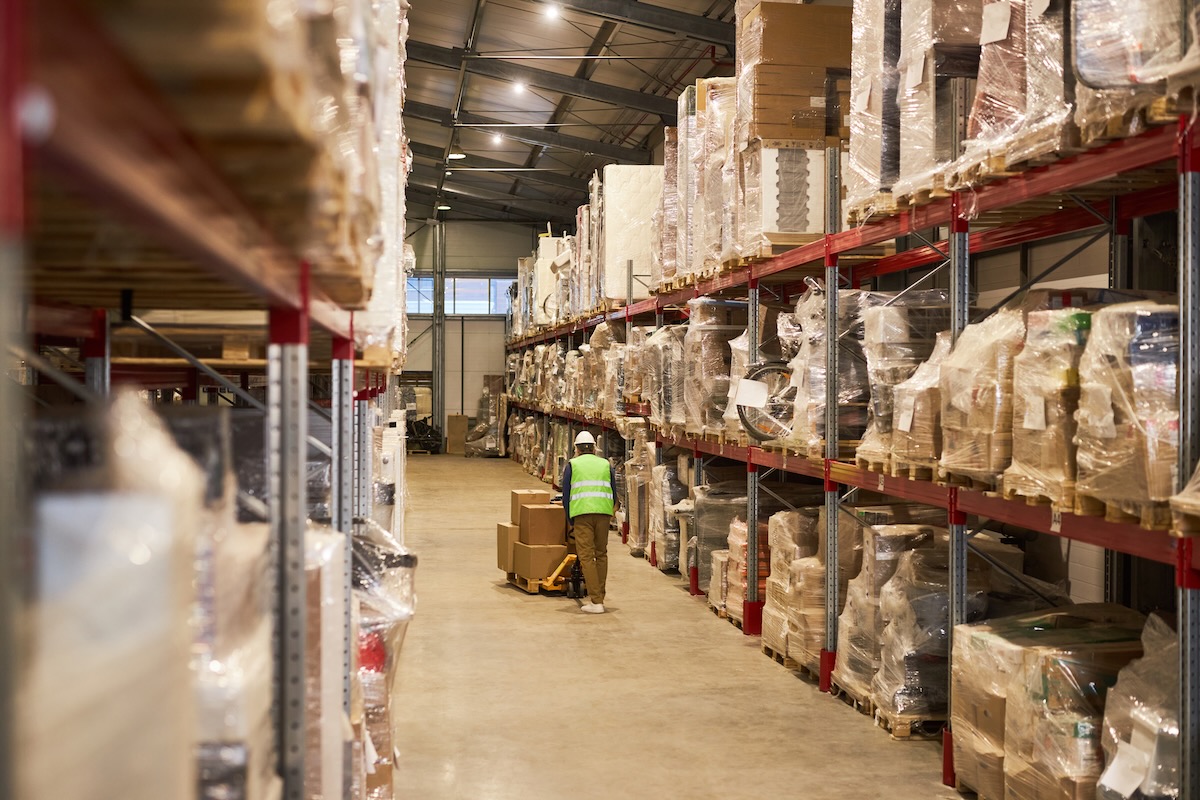
When a warehouse has run out of space, it can create huge operational challenges that can quickly impact the health of the business.
While relocating might seem like the logical solution, packing up a warehouse and setting up elsewhere often isn’t feasible. That’s because relocating a warehouse is both expensive and disruptive.
Changing the business address can also mean losing what is currently an ideal location for the business to thrive. For instance, when the warehouse is in close proximity to motorways or shipping ports.
If you own or work on behalf of a warehouse that has reached capacity, the good news is that relocation isn’t the only option.
Here are 5 of the best way to maximise warehouse space that don’t involve having to move to a new unit.
Conduct A Space Utilisation Audit

Since 2015, the warehouse sector has experienced a 61% growth. For retailer owned warehouses, there has been a whopping 813% rise in warehouse occupancy, driven by developments in ecommerce.
If your warehouse has experienced similar growth over the years, it stands to reason that its original layout and overall setup may no longer be fit for purpose. To determine how well your warehouse footprint is being used, a space utilisation audit is needed.
A space utilisation audit will tell you:
- The % vertical height currently being used
- Pallet density
- Pick rate per sqm
- Aisle width vs requirement
To give you an idea of what to aim for, most UK warehouses operate at 60-70% spatial efficiency. So if your audit reveals a much lower figure than this, improving efficiency is going to be more cost effective vs relocating.
Why we like this option: It gives you an overview of how your space is actually being used and can offer some of the quickest yet impactful ways to fix inefficiencies.
Reconfigure Layout For Flow, Not Habit
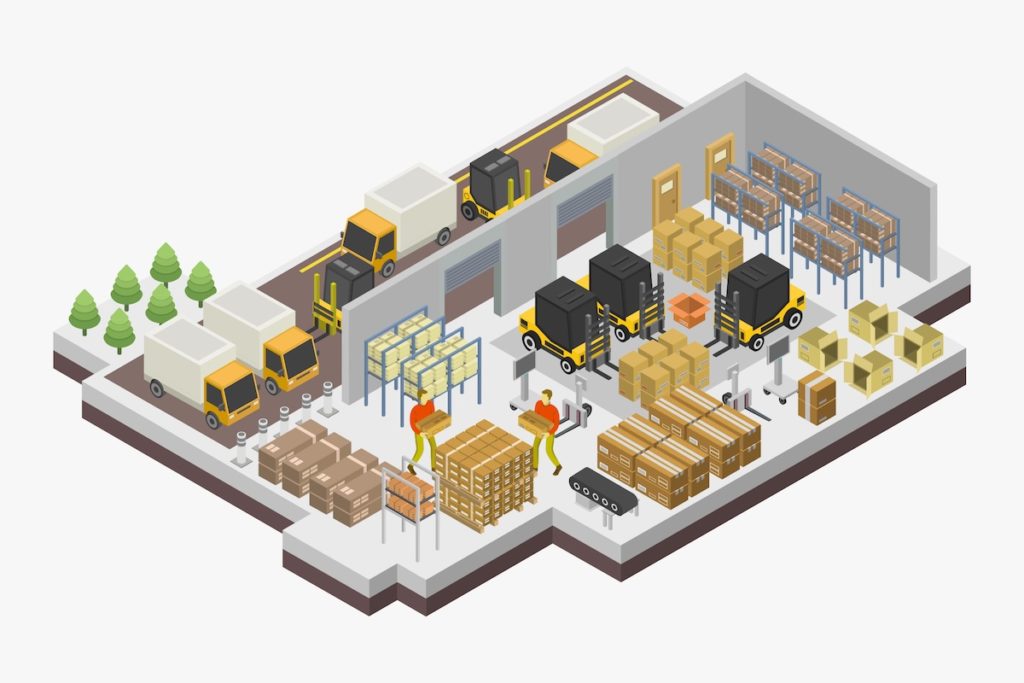
As we’ve just touched upon, warehouses do tend to expand over time, especially as the business itself evolves. But when this happens, there is a tendency to leave the layout as it is.
Poor layouts in a warehouse look like so:
- Picking zones scattered randomly
- Excess aisle width
- Dead space near loading bays
- Office/storage mixed inefficiently
Changing the layout of your warehouse can fix these issues and more. Crucially, a professional warehouse layout redesign can unlock surprising square footage that is currently being overlooked.
Why we like this option: Changing the layout of your warehouse to suit where your business is at now makes a lot of sense. Modernising the design will minimise space wastage and also improve journey times around the warehouse.
Reduce SKU Footprint (Data-Led Storage)

Warehouses represent busy environments. As such, it’s easy for certain types of stock to take up room unnecessarily. Examples include slow moving stock, dead stock or even overstock due to poor forecasting.
An ABC analysis can help make sense of any warehouse space wastage due to the current stock contents:
- A items – Put in prime accessible space
- B items – Use secondary space
- C items – Relocate to higher or harder-to-access locations
Why we like this option: It can pinpoint space wastage owing to the contents of the warehouse itself rather than the layout. Any insights can also help businesses to plan better throughout the year.
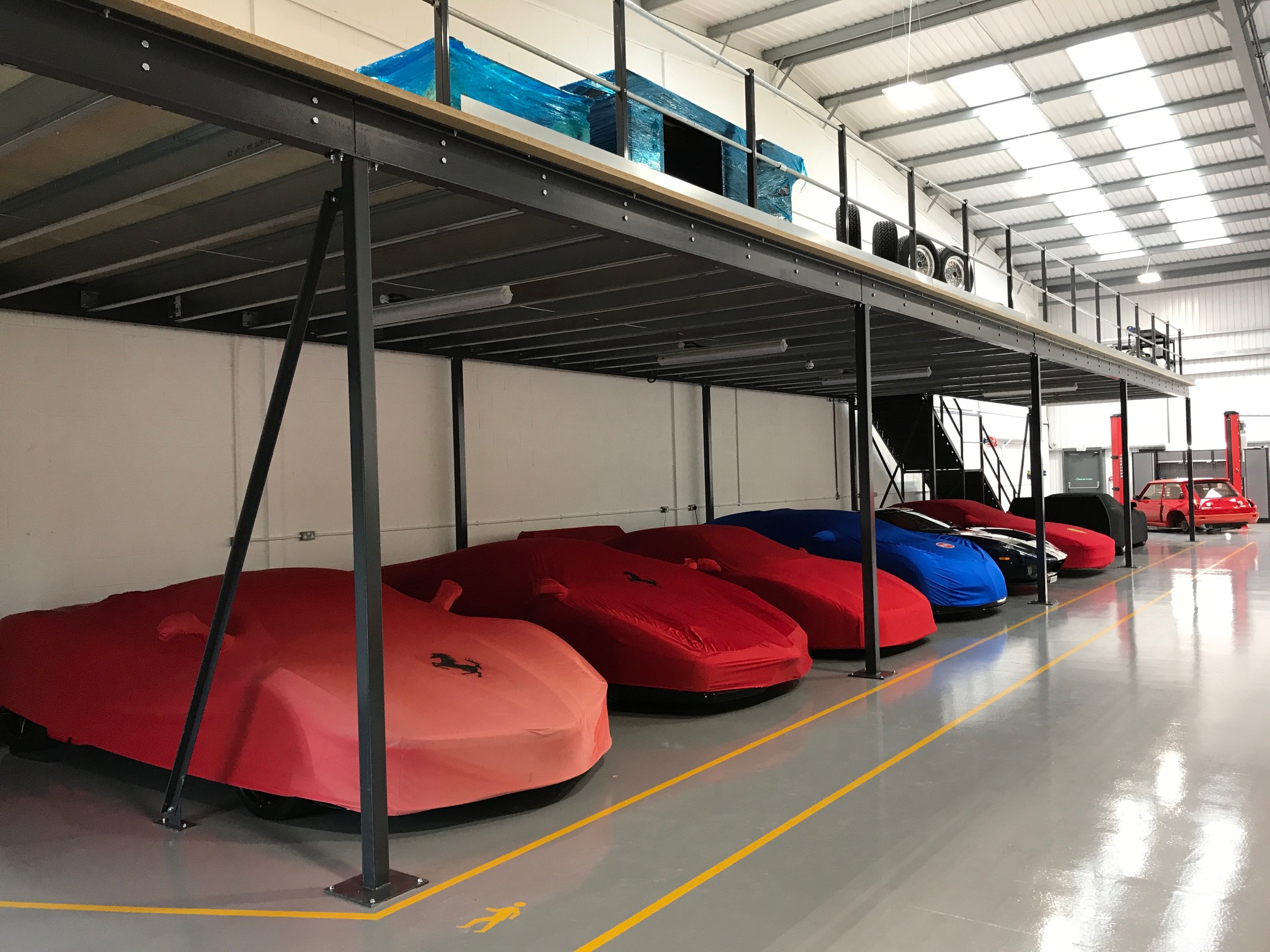
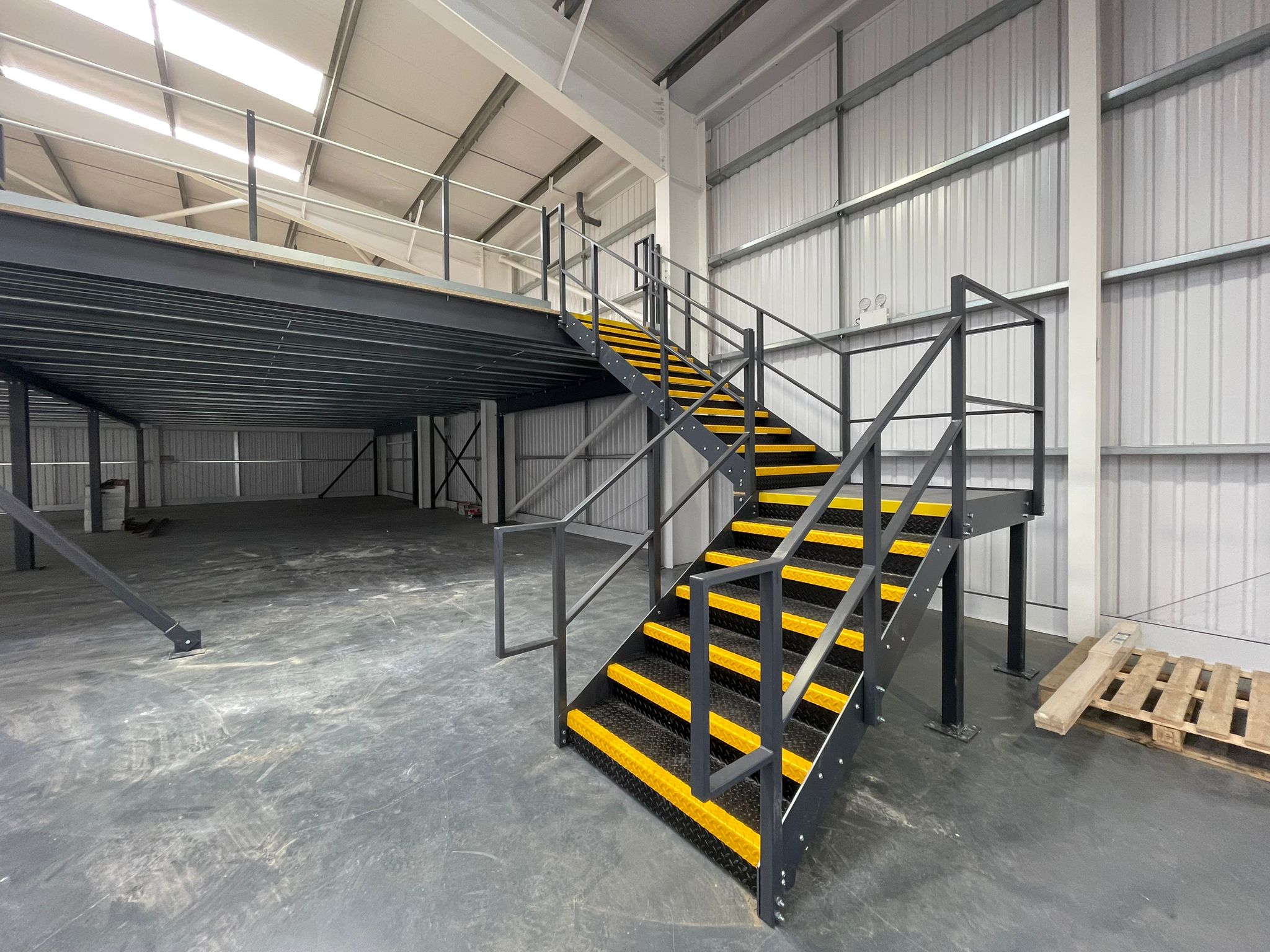
Reclaim Vertical Space By Installing A Mezzanine Floor
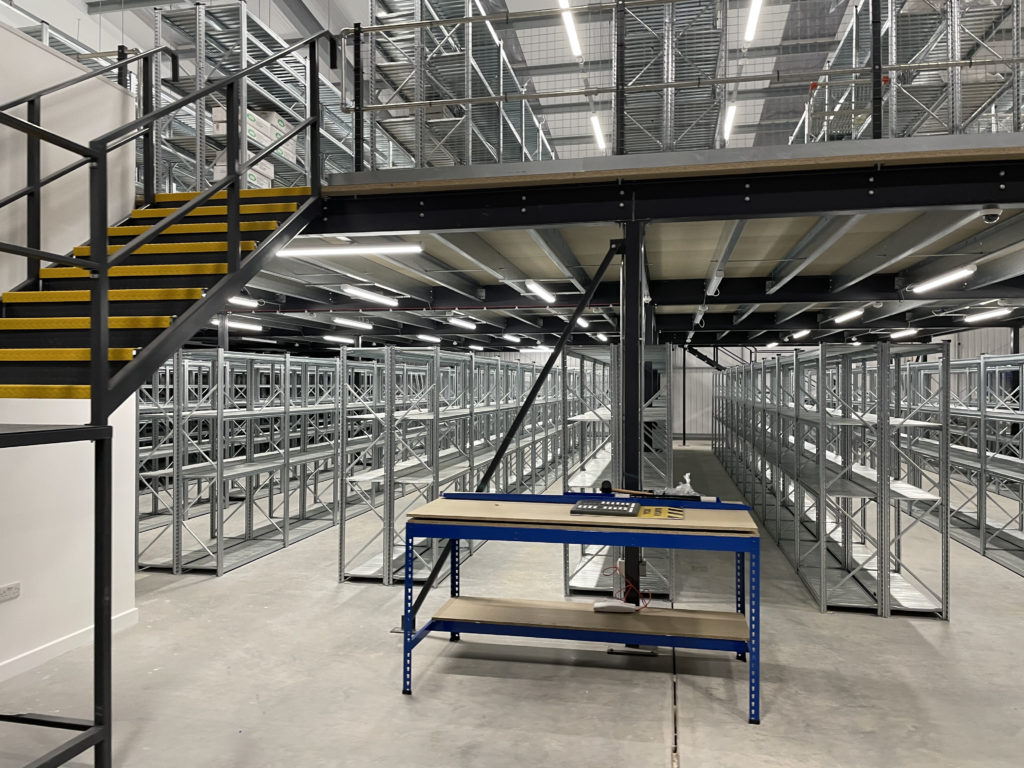
When your warehouse is at full capacity, and you’ve tried all of the logical steps above, relocating can still be avoided.
That’s because most UK warehouse units only make use of their ground level floorspace. Often, this leaves anywhere between 5-8 meters of vertical space above sitting empty.
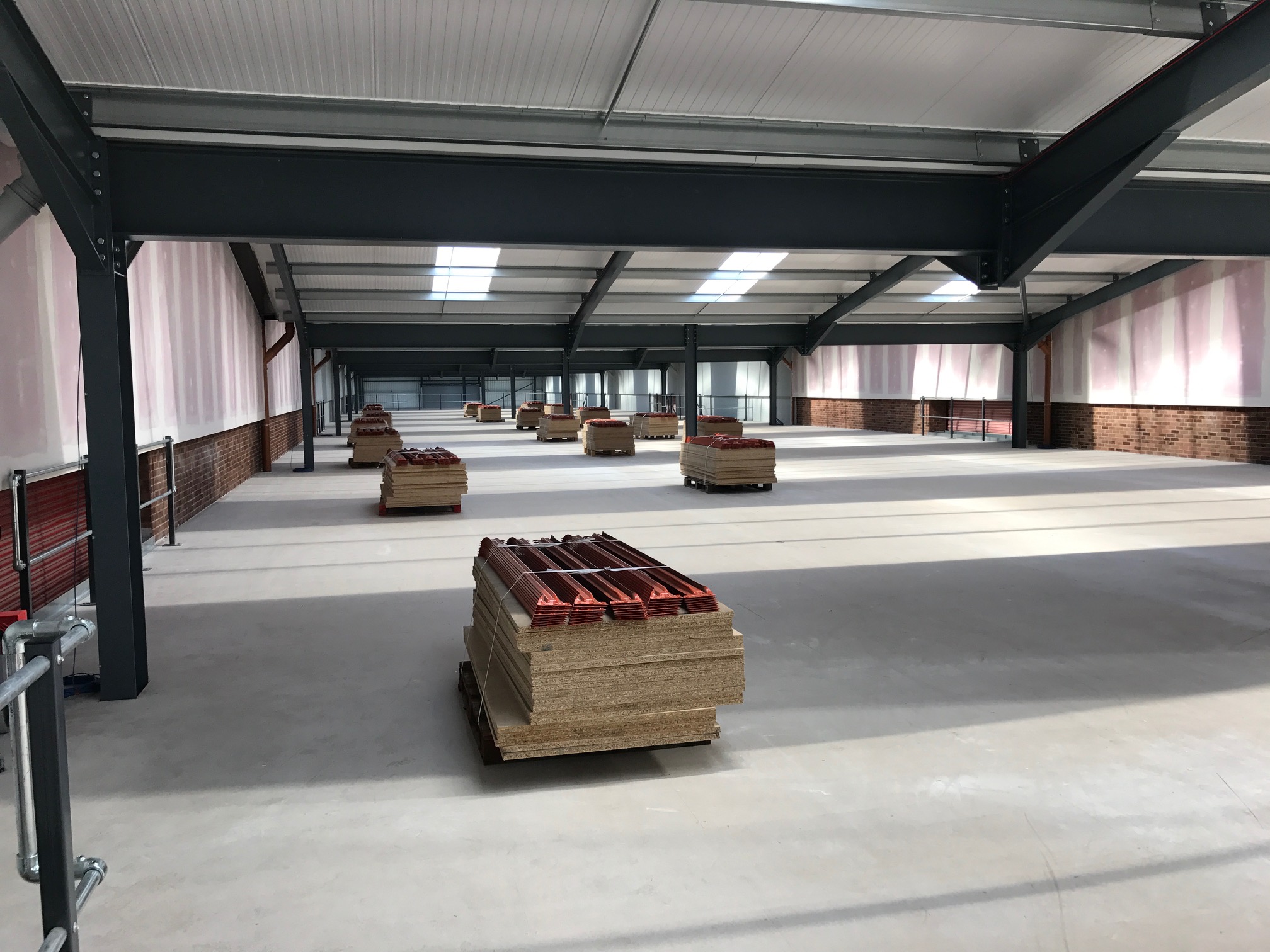
Installing a mezzanine floor can instantly make use of this space. Not only is this idea cost effective (especially compared with moving!) but it’s also fully flexible to the needs of the business.
In high rent areas such as London, Manchester or Birmingham, adding a mezzanine floor rather than moving often offers the best solution in terms of ROI.
Better still, mezzanines often fall under permitted development so long as no major structural alterations are made.
Why we like this option: Warehouses are expensive to buy or rent. But the costs are higher than you think if space is actually going to waste! A mezzanine maximises the footprint of the building so that this space is being used to its potential. Mezzanine floors can be used for storage or office space and they are often very straightforward to install.
Convert Yard or External Space (Where Possible)
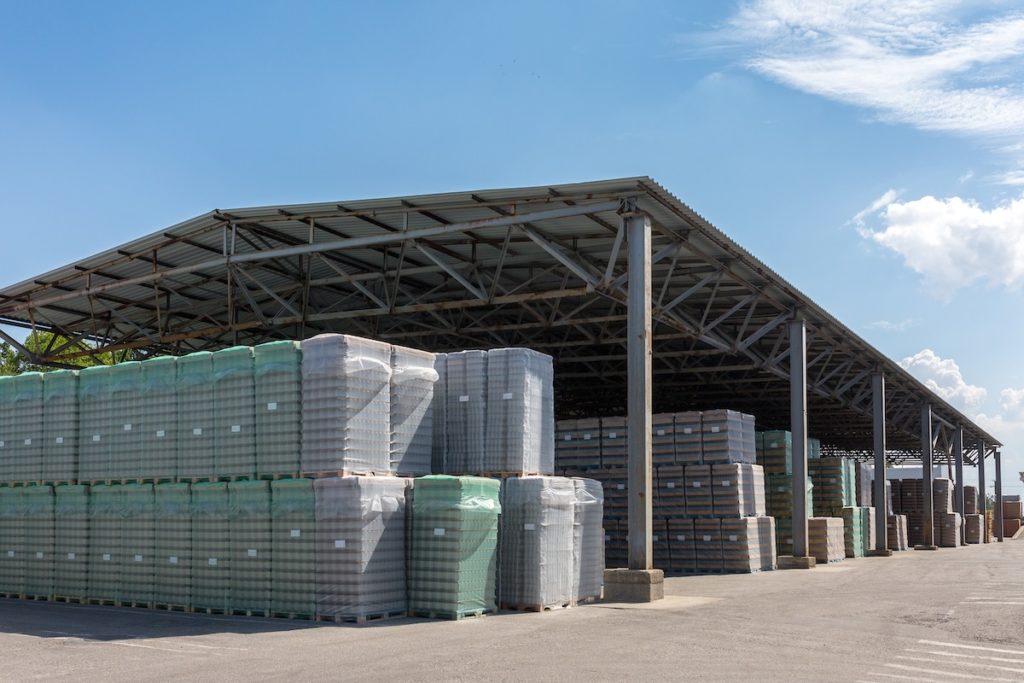
Something you can also do alongside adding a mezzanine to a warehouse is make best use of any external space around your building.
Ideas can include covered canopies, temporary storage buildings or external racking. However, converting yard space is subject to planning. Likewise, the storage solution would also need to be suitable for the storage requirements of the goods.
Why we like this idea: Using outside space around a warehouse can offer a temporary storage solution for any goods or equipment which are not sensitive to weather or temperature changes.
Does Your Business Rely On UK Warehouse Space? – Talk To Us About Maximising Capacity Without Having To Move Premises
At The Mezzanine Company, we work with UK businesses and distribution centres just like yours to maximise space.
Many business owners don’t realise the potential that the upper floor space within their commercial warehouse can have.
However, by adding a mezzanine, this currently empty space can be transformed into practical and highly valuable space. It can be used for storage, office space, training rooms and anything else your business needs to succeed.
Contact us today to get a free quote for a warehouse mezzanine.
Or, if you’d like to discuss your warehouse space challenges with us first, please give us a call on 0115 647 7425.